Golden Perch Angling Masterclass & Overview
Golden Perch (Macquaria ambigua), widely known as ‘yellowbelly’ or ‘callop’, are one of Australia’s most popular native freshwater sportfish. Abundant throughout the vast Murray-Darling river system, southern coastal drainages, and stocked impoundments, yellowbelly demand adaptable lure strategies, tactile bite detection, and precise structure management. Matching responsive 2kg to 5kg graphite blanks with compact baitcasters or 2500 spinning reels allows anglers to cast into tight timber pockets and feel delicate tail bites in murky water.
Yellowbelly rely heavily on internal acoustic hearing and lateral line vibrations to hunt forage such as freshwater shrimp, yabbies, gudgeons, and bony bream. Lure fishing centers on 10lb to 15lb braided mainline connected to 12lb to 20lb abrasion-resistant fluorocarbon leaders. Sinking lipless crankbaits (such as the Jackall TN60), metal blades, and compact 1/4oz to 1/2oz spinnerbaits produce intense vibrations that draw territorial strikes from dormant fish.
River and creek fishing revolves around casting tight to sunken red gum logs, rock bars, and deep undercut clay banks. Anglers position boats up-current and slow-roll deep-diving crankbaits or spinnerbaits directly down the structure face, bumping the timber to trigger reaction strikes. When yellowbelly retreat into deep river scours during bright midday periods, dropping live yabbies or scrub worms on running sinker rigs produces consistent action.
Stocked impoundments (such as Lake Eildon, Lake Windamere, Lake Boondooma, and Copeton Dam) present massive schooling populations that hold along deep rocky points, standing tree trunks, and submerged weed lines in 4 to 12 metres of water. Forward-facing live sonar allows fishos to spot suspended fish and hop metal blades or scented soft plastics vertically right through the school. Spring and autumn warming trends produce explosive bite windows where trophy 55cm+ football yellowbelly feed aggressively.
| Best Rods | Best Reels | Soft Plastics |
| Hard Bodies | Vibes & Jigs | Lines & Rigs |
Australian Golden Perch Locations & Seasonal Distribution
| Region | Primary Habitat | Hotspots | Peak Season |
|---|---|---|---|
| 1. NSW Central West & Highland Dams | Stocked Lakes, Weedbeds & Rocky Points | Lake Windamere, Burrendong Dam, Wyangala Dam, Copeton | September – December (Spring Peak) / Autumn |
| 2. Murray-Darling River Basin (NSW/VIC) | River Snags, Clay Banks & Weirs | Murray River (Mildura to Echuca), Murrumbidgee, Goulburn River | October – April (Warm Water Peak) |
| 3. Victorian Impoundments | Deep Basins & Submerged Trees | Lake Eildon, Lake Eppalock, Cairn Curran Reservoir, Lake Hume | Year-Round (Spring/Summer Peak) |
| 4. Southern & Central QLD Dams | SIPS Stocked Lakes & Timber | Lake Boondooma, Lake Somerset, Leslie Dam, Bjelke-Petersen Dam | August – April |
| 5. South Australia (River Murray) | Lock Pools, Reeds & Anabranches | Renmark, Cobdogla, Blanchetown, Lake Bonney | November – May (Summer Callop Run) |
State Regulations, Size Limits & Bag Allocations (2026)
| State / Territory | Minimum Size | Daily Bag Limit | Specific Regulations |
|---|---|---|---|
| New South Wales (NSW DPIRD) | 30cm Minimum | 5 per person | Possession limit: 10 statewide. Open year-round in all rivers and dams |
| Victoria (VFA) | 30cm Minimum | 5 per person | Possession limit: 10 statewide. Open year-round with no closed season |
| Queensland (Fisheries QLD) | 30cm Minimum | 5 general (10 in SIPS dams) | Possession limit: 5 in rivers / 10 in designated SIPS stocked dams. Open year-round |
| South Australia (PIRSA) | 33cm Minimum | 5 per person | Boat limit: 15 (3+ fishers aboard) in the River Murray. No closed season |
| Australian Capital Territory | 30cm Minimum | 5 per person | Applies to public urban lakes and open river sections |
Golden Perch Fishing Techniques by Environment
1. Standing Timber & Flooded Trees (Impoundments): Tie the boat directly to standing dead trees in 5m to 10m of water. Drop a 60mm lipless crankbait (like a Jackall TN60) or 1/4oz metal blade straight down the trunk to the bottom. Impart short 30cm vertical hops right against the bark—yellowbelly hold tight in the tree fork shadows.
2. River Snags, Clay Bends & Weir Pools: Position the boat up-current from sunken red gum laydowns. Cast compact 1/4oz to 3/8oz spinnerbaits or deep-diving crankbaits tight against the bank. Slow-roll the lure along the bottom, deliberately bumping the logs to trigger aggressive territorial reaction bites.
3. Dam Rocky Points & Submerged Weed Margins: Cast 2.5-inch to 3-inch scented curl-tail grubs or paddle tails across shallow rocky points warming under the spring sun. Slow-roll the plastic just above the weed canopy with a steady creeping wind. Impart a 1-second pause every 5 turns to let the lure flutter downward into weed pockets.
4. Live Baiting with Yabbies & Scrub Worms: Anchor in deep river scours or along dam drop-offs. Rig a live freshwater yabby or bundle of scrub worms on a running sinker rig with a 1-metre fluorocarbon leader. Keep line tension light—allow the yellowbelly to mouth the bait for 3 seconds before lifting smoothly into the fish.
Lipless Crankbait Physics, Barometric Triggers & Sonar Tracking
Tungsten Lipless Crankbait Acoustics: Golden perch have exceptional acoustic sensitivity. Lures like the Jackall TN60 feature an external tungsten nose weight and internal sonic rattle chambers that emit a high-pitch acoustic chatter. Bumping a vibrating lipless crankbait into vertical timber sends shockwaves through the wood that trigger reflex strikes from dormant fish.
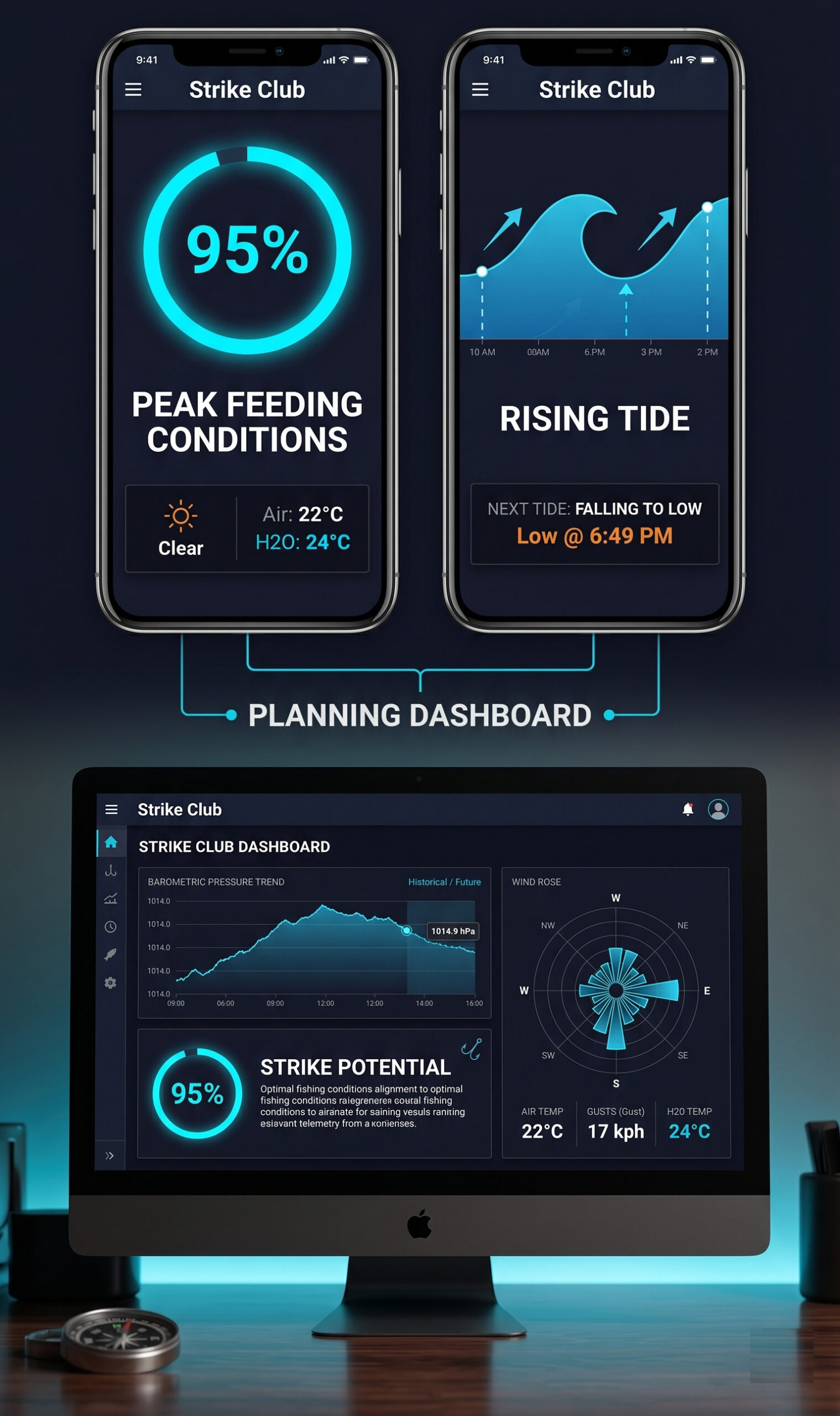
Barometric Pressure Spikes: Yellowbelly feeding activity correlates directly with atmospheric pressure changes. A rising barometer spiking above 1016 hPa, especially during warm spring afternoons, triggers intense schooling feeding runs along dam shorelines. Conversely, rapid pressure drops shut feeding down, requiring ultra-finesse live bait drops.
Forward-Facing Sonar Schooling Interception: In deep impoundments, yellowbelly congregate in tight pods holding 50cm off bottom mud contours. Calibrate live sonar forward range to 25 metres. Cast 5 metres beyond the marked school and count your metal blade down to their exact depth, slow-rolling the lure straight through the center of the pod.