Appearance & Identification
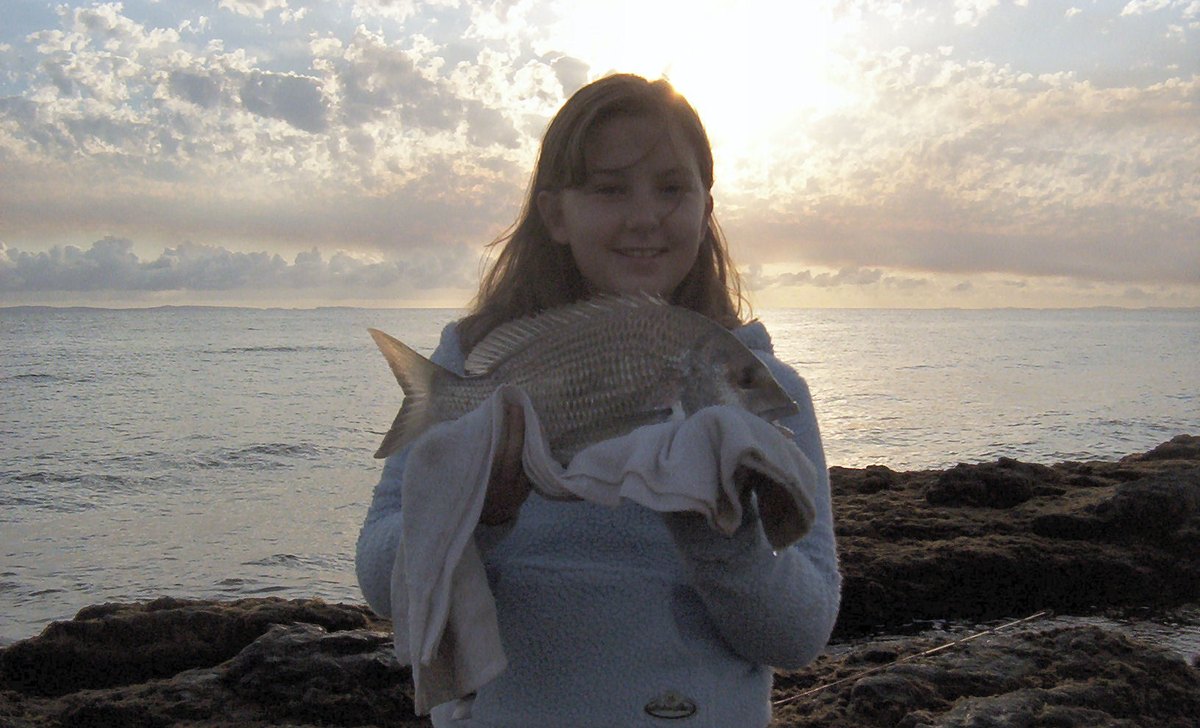
This is a long, silver fish with a blue-grey back and a rounded snout that sits over the mouth. Long, free threads hang from below each pectoral fin. They are smaller than king threadfin and lack the king’s dark shoulder patch.
Habitat & Movements
Blue threadfin live in estuaries, tidal creeks and along muddy beaches in northern Australia, including Queensland’s east coast and the Gulf of Carpentaria. They often move in schools over mud and sand flats and around creek mouths on the tide.
Tackle Setup
- Rods A 2.1 m spin rod rated about 3 kg to 6 kg suits most estuary fishing.
- Reels A 2500 to 3000 size spinning reel with a smooth drag.
- Line & Leader Use 4 kg to 8 kg braid with 1 m of 6 kg to 10 kg leader.
Best Lures & Baits
- Lures Small soft plastics, vibes and shallow hard-body lures worked slowly near the bottom.
- Live & Cut Baits Live or fresh prawns are the top bait. Small live baitfish also work.
How to Catch Them
- Drifting & Jigging Drift slowly over flats on the tide with a lightly weighted prawn.
State Legal Limits
QLD: East coast: minimum size 40 cm, possession limit of 10. Gulf of Carpentaria: minimum size 40 cm, possession limit of 20.
NSW: No species-specific limit. A general daily bag limit of 20 applies to saltwater species not listed in the NSW rules.
VIC: No species-specific limit. A bag limit of 5 applies to species not listed in Victoria’s rules.
WA: Threadfin other than king threadfin: no minimum size. Bag 4. Mixed nearshore/estuarine bag limit is 16 a day.
NT: No individual limit. It counts as “all other fish”: possession limit 5, inside the 15-fish general possession limit.
Eating & Handling
- Angler Notes Learn to tell blue threadfin from king threadfin, because the size and possession limits are different. Check the Queensland rules for your area before you keep any.
- Eating Qualities Blue threadfin have soft white flesh. Ice them straight away and cook them fresh. They suit pan frying or baking.