Appearance & Identification
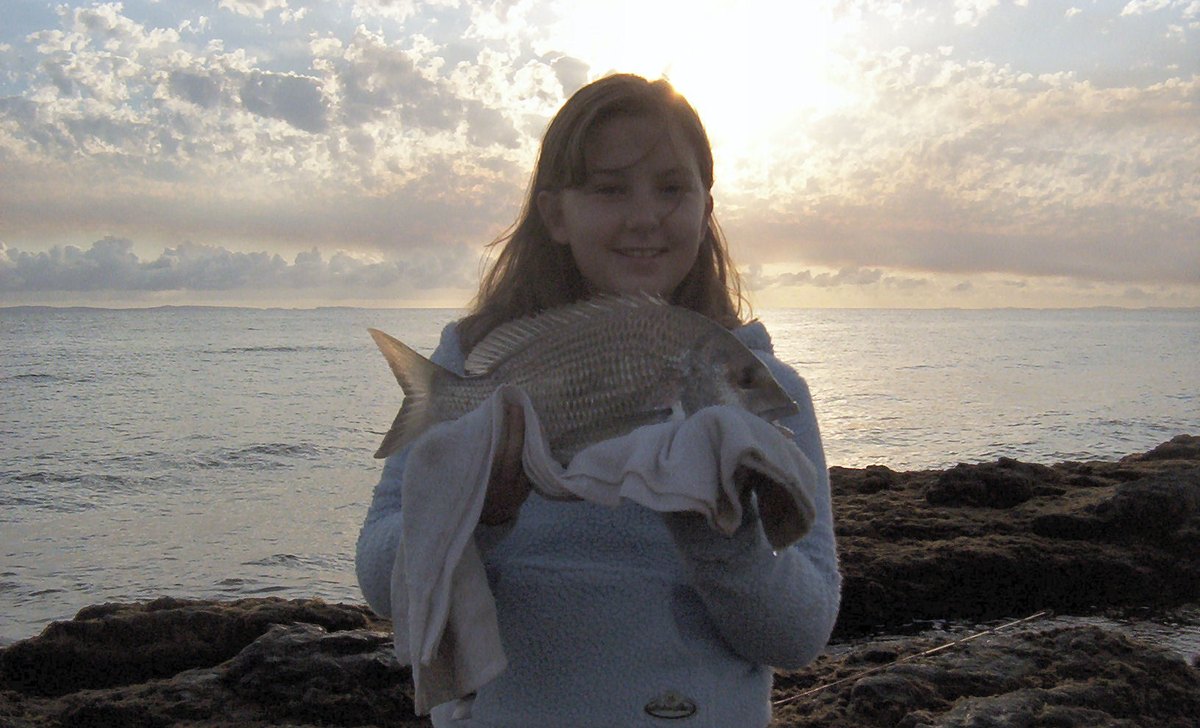
A solid, thick-lipped fish with large scales. Males are blue-grey to bluish with a pale band across the body and a blue throat. Females and young fish are reddish-brown to orange. They can change from female to male as they grow.
Habitat & Movements
They live on rocky reefs and kelp beds in southern Australia, from New South Wales around Victoria and Tasmania to South Australia. You find them from shallow rock ledges down to deeper offshore reef.
Tackle Setup
- Rods A 2.1 m to 2.4 m rod rated about 4 kg to 8 kg.
- Reels A 3000 to 4000 size spinning reel.
- Line & Leader Use 6 kg to 10 kg line with a 10 kg leader. Reef edges are rough on line.
Best Lures & Baits
- Lures Small soft plastics and jigs worked close to the reef can work, but bait is more reliable.
- Live & Cut Baits Crab, prawn, squid, pipis and cunjevoi are all good baits.
How to Catch Them
- Drifting & Jigging Drift slowly over shallow reef and kelp with a bait just off the bottom.
State Legal Limits
QLD: Wrasse not listed separately: minimum size 30 cm, possession limit of 5 per species.
NSW: No species-specific limit. A general daily bag limit of 20 applies to saltwater species not listed in the NSW rules.
VIC: Minimum size 27 cm. Bag limit of 5 (all wrasse combined, excluding blue groper).
TAS: Minimum size 30 cm. Bag limit of 5, possession limit of 10.
SA: Minimum size 25 cm. Daily bag limit of 5, boat limit of 15 (wrasse other than western blue groper). This is the all other waters table; Spencer Gulf and Gulf St Vincent/Kangaroo Island have their own tables, so check PIRSA for those waters.
Eating & Handling
- Angler Notes Most wrasse are released, so handle them gently. Check the wrasse size and bag limits for your state before keeping any.
- Eating Qualities The flesh is soft and white. Bleed and ice the fish soon after capture, then fillet and skin it. It suits fish cakes, curries and pan frying.