
Appearance & Identification
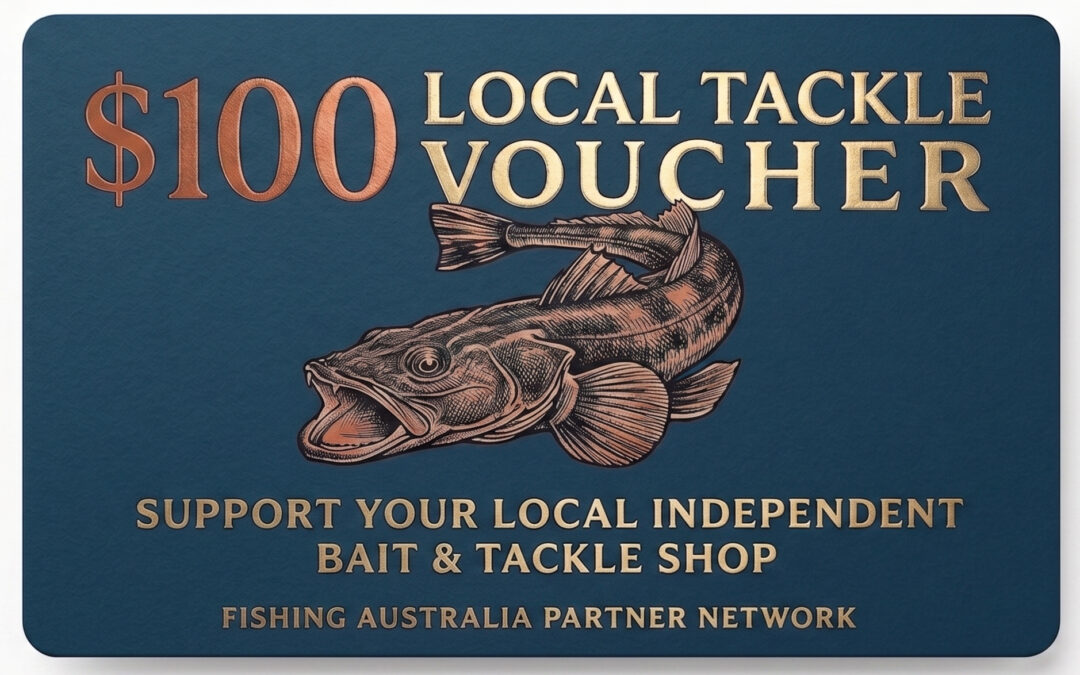
These strange, shark-like cartilaginous fish are easily identified by their prominent, hoe-shaped fleshy snout that closely resembles an elephant’s trunk. They possess a smooth, skin-like body with no scales, presenting a beautiful silvery-grey to bronze coloration marked with dark grey spots. Their first dorsal fin is armed with a highly prominent, sharp spine that can inflict a painful wound if handled incorrectly. Adult specimens commonly reach lengths of sixty to eighty centimeters and weights of 2kg to 5kg, making them an excellent light-tackle sportfish.
Habitat & Movements
Elephant fish are native to the cool, temperate coastal waters and sandy bays of Australia’s southern coastline from New South Wales down to Western Australia. They are highly schooling seasonal migrants, preferring deep sand flats, muddy channels, and sheltered bays in depths ranging from five to thirty meters. They use their specialized trunk-like snout to root slowly through the loose sand in search of shellfish, crabs, and worms. Their populations are heavily concentrated in Victoria’s Western Port and Port Phillip Bay during their autumn spawning runs.
Tactical Loadout
- Rods Utilize a medium-action, light-spinning rod of 2.7m to 3.2m rated between 4kg and 8kg. This rod length provides the exceptional casting distance needed to reach the deep sand channels from the shore. A highly sensitive tip section is crucial to register the subtle, slow-running run of a fish taking a bait.
- Reels Pair your light rod with a smooth, high-quality 3000 to 4000 size spinning reel. The reel must possess a minimum of 4kg of smooth carbon fiber drag to stop these fish before they reach the structure. A retrieve ratio of five to one is perfect for maintaining a natural retrieve speed with light rigs.
- Line & Leader Utilize 6kg to 10kg braided main line to guarantee zero stretch and maximum sensitivity over deep sandy channels. Couple this with a long, 2m leader of 6kg to 10kg hard-shell fluorocarbon to prevent spoofing these highly visual fish. It is crucial to check your leader regularly for knicks or frays after retrieving from a rocky bottom.
Best Lures & Baits
- Artificials Lure fishing is completely unproductive for elephant fish as they are slow-moving, scent-driven benthic foragers. Trying to cast or retrieve artificial hardbodies or soft plastics will rarely draw a strike from these slow-moving freshwater fish. Anglers must focus entirely on natural, scent-dense baiting methods using fresh, sweet-smelling shellfish and crabs.
- Live & Cut Baits Fresh, peeled king prawns, raw squid strips, or active pipis are the standout natural presentations for drawing elephant fish. Present these baits on a running sinker rig using a chemically sharpened size 1/0 to 2/0 octopus hook to ensure a secure hook-up. Fish these baits with minimal weight along the deep channel edges on a rising tide to maximize your chances.
Field Tactics
- Trolling NOT APPLICABLE
- Drifting & Jigging Drifting over shallow, sandy bay flats while slowly bouncing fresh baits along the bottom is a highly productive method. Position your boat up-wind of the target flat and allow the natural drift to carry your presentations through the gutters. Keep your reel engaged and maintain a tight line to instantly feel the heavy, solid run of a fish.
- Fly Fishing NOT APPLICABLE
State Legal Limits
QLD: Not present in Queensland waters.
NSW: Daily bag limit of five per person. Maximum possession limit of five.
VIC: Daily bag limit of five per person.
WA: Daily bag limit of two per person. Maximum possession limit of four.
SA: Daily bag limit of five per person.
NT: Not present in Northern Territory waters.
TAS: Daily bag limit of five per person.
Final Logistics & Table Quality
- Field Notes The absolute secret to success is targeting the shallow sand flats during the peak of the autumn spawning run in Western Port. Elephant fish school tightly under these cold, low-light conditions, making them highly catchable. Always check your local state laws closely, as strict bag limits and seasonal closures apply to protect this slow-growing species. Clean your gear thoroughly with fresh water after every session to prevent salt corrosion on your heavy drags.
- Eating Qualities Elephant fish possess exceptionally firm, sweet white meat with a clean, delicate flavor and no bones, making them highly popular for the table. The fish must be bled immediately upon capture and packed on ice to preserve its premium table quality. Fillet and skin the fish carefully, removing the dark bloodline, before pan-frying in butter.