Appearance & Identification
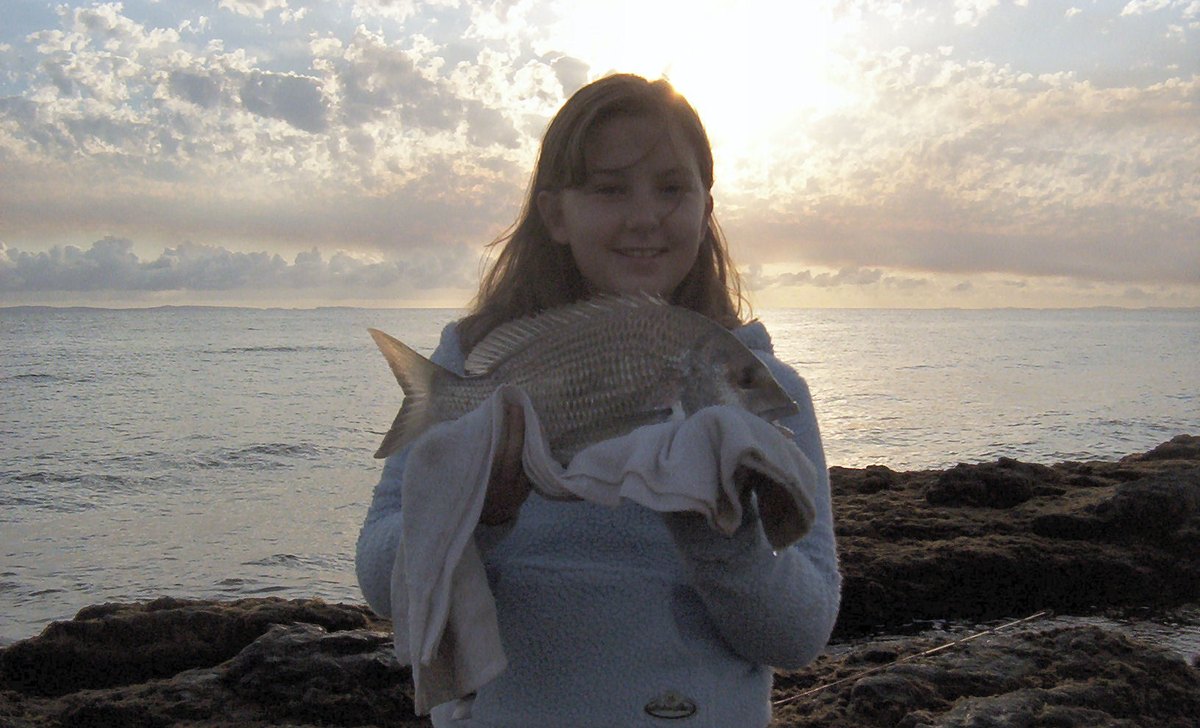
A long, slender, silver fish with a deeply forked tail and a large mouth. The back is blue-green. They look a little like a small tarpon but with small scales and no long dorsal fin ray.
Habitat & Movements
They live in estuaries, river mouths, harbours and along beaches in northern and eastern Australia, including Queensland. Schools often move along sand flats and drop-offs on the tide.
Tackle Setup
- Rods A 2.1 m spin rod rated about 2 kg to 5 kg.
- Reels A 2500 size spinning reel with a smooth drag.
- Line & Leader Use 4 kg to 6 kg braid with a 6 kg to 8 kg leader.
Best Lures & Baits
- Lures Small metal slugs, soft plastics, small poppers and minnow lures.
- Live & Cut Baits Small live baitfish, prawns and strips of fish.
How to Catch Them
- Drifting & Jigging Drift along sand flats and drop-offs with a live prawn or small baitfish.
- Fly Fishing Small baitfish flies on a 6 or 7 weight rod are a great way to catch them.
State Legal Limits
QLD: No species-specific limit. A general possession limit of 20 applies to tidal species not listed in Queensland’s rules.
NSW: No species-specific limit. A general daily bag limit of 20 applies to saltwater species not listed in the NSW rules.
VIC: No species-specific limit. A bag limit of 5 applies to species not listed in Victoria’s rules.
Eating & Handling
- Angler Notes Use light gear for the best fun. Most anglers release them.
- Eating Qualities The flesh is very bony, so most giant herring are released or used as bait.