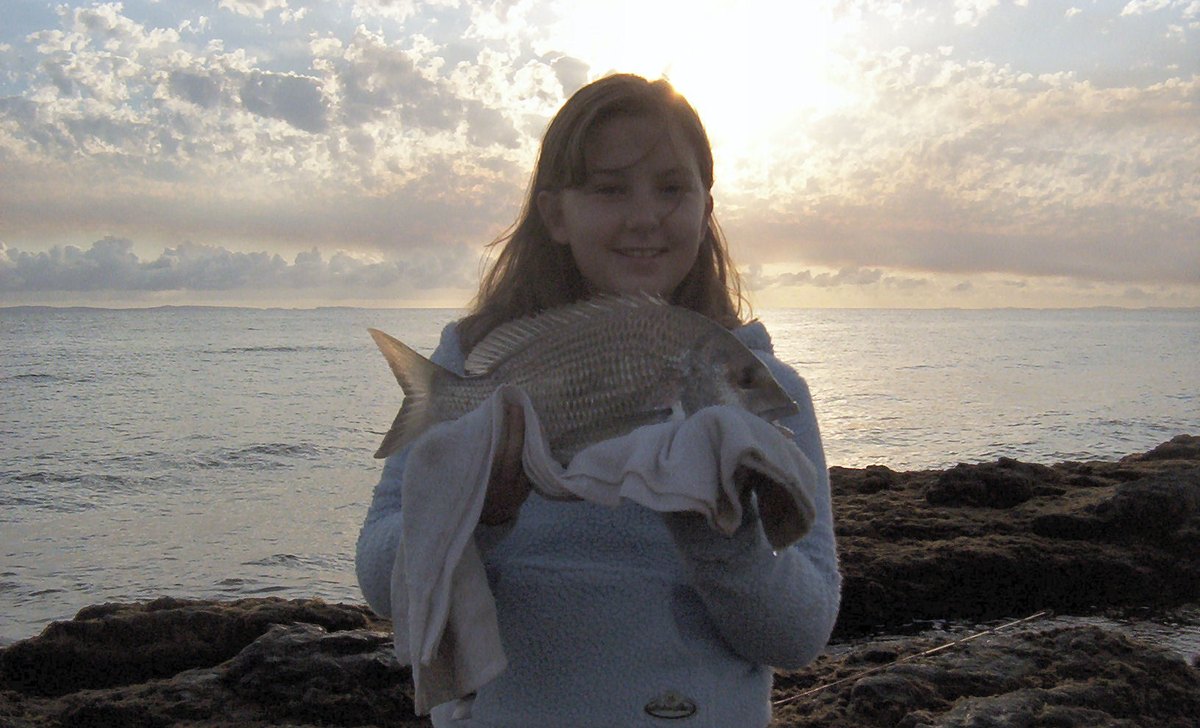
Appearance & Identification
This is a pink to red snapper with gold-yellow lines on the head and a forked tail. The eye is large, which suits life in deep water.
Habitat & Movements
Goldband snapper live on deep reef, rubble and shoals in tropical waters off northern WA and the NT. Most are caught in deep water offshore.
Tackle Setup
- Rods Use a medium-heavy rod rated 10 kg to 24 kg for deep reef work.
- Reels Use a 6000 to 10000 size spinning reel or an overhead reel.
- Line & Leader Use thin braid with a 30 kg to 50 kg leader.
Best Lures & Baits
- Lures Slow-pitch jigs and large soft plastics worked near the bottom.
- Live & Cut Baits Squid, pilchards and fish strips.
How to Catch Them
- Drifting & Jigging Drift over deep shoals and rubble marked on the sounder, keeping baits near the bottom.
State Legal Limits
WA: Tropical snappers: no minimum size. Bag West Coast 2, Abrolhos Islands 1, other bioregions 4. Boat fishing for demersal scalefish in the West Coast bioregion (Kalbarri to Augusta) is closed until Spring 2027. Land-based fishing is still allowed. You must carry a release weight when boat fishing for demersal fish anywhere in WA.
NT: No individual limit. It counts as “all other fish”: possession limit 5, inside the 15-fish general possession limit.
QLD: Minimum size 38 cm. Possession limit of 5 (goldband and sharptooth snapper combined). Counts toward the coral reef fin fish limit of 20 in total, and the coral reef fin fish closed seasons apply in Great Barrier Reef waters (around the October and November new moons).
NSW: No species-specific limit. A general daily bag limit of 20 applies to saltwater species not listed in the NSW rules.
VIC: No species-specific limit. A bag limit of 5 applies to species not listed in Victoria’s rules.
Eating & Handling
- Angler Notes Fish deep reef only in good weather and carry the right safety gear.
- Eating Qualities The flesh is white and mild. It suits frying, baking and steaming.