Appearance & Identification
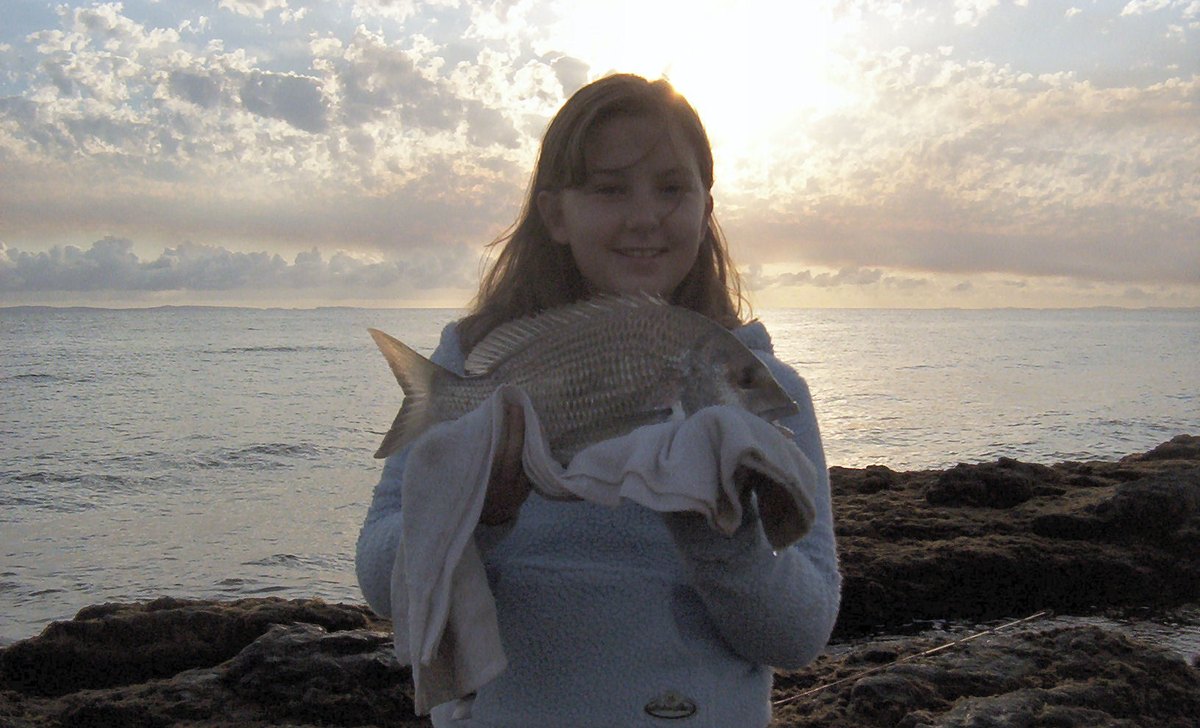
A slender whiting with a silvery body, a golden-yellow stripe along the side and yellowish fins. They grow larger than most sand whiting.
Habitat & Movements
They live on sand and mud flats, in estuaries and along beaches of northern Australia, including Queensland, the Northern Territory and northern Western Australia.
Tackle Setup
- Rods A light 2.1 m to 2.4 m rod rated about 2 kg to 4 kg.
- Reels A 2500 size spinning reel.
- Line & Leader Use 3 kg to 6 kg line with a light leader.
Best Lures & Baits
- Lures Small surface poppers and stickbaits worked fast over the flats.
- Live & Cut Baits Yabbies, worms and peeled prawns.
How to Catch Them
- Drifting & Jigging Drift slowly across flats and channel edges with a lightly weighted bait.
State Legal Limits
QLD: Minimum size 23 cm. Combined possession limit of 30 for sand, goldenline and northern whiting.
NSW: Counts toward the NSW whiting bag limit of 20 in total (the 27 cm minimum size applies to sand whiting only).
VIC: No species-specific limit. A bag limit of 5 applies to species not listed in Victoria’s rules.
NT: Whiting, mullet and garfish: combined possession limit of 50 (outside the general 15-fish limit).
WA: Whiting other than King George whiting: daily bag limit of 30 (applies to each species).
Eating & Handling
- Angler Notes Keep your bait moving slowly; whiting often follow before they bite.
- Eating Qualities The flesh is sweet and fine. Ice them quickly. Whole fish or fillets suit light frying or grilling.