Appearance & Identification
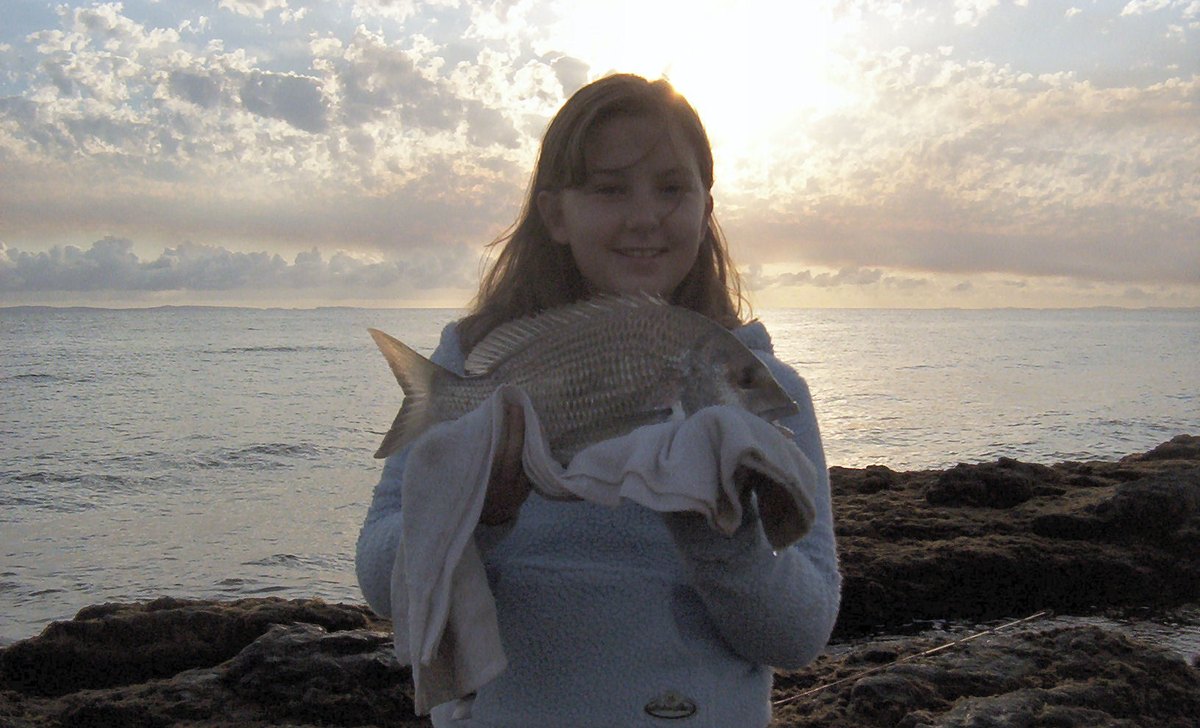
This is a large, heavy fish with a big mouth and a lower jaw that sticks out past the top jaw. Adults are grey to brown on top and paler underneath. Young fish are darker and blotchy.
Habitat & Movements
Hapuku live on deep rocky reef, pinnacles and the edge of the continental shelf in southern waters, including off Tasmania and southern WA. Most are caught in deep water well offshore.
Tackle Setup
- Rods Use a short, heavy deep-drop rod rated 15 kg to 37 kg.
- Reels Use an electric reel or a large overhead reel with plenty of braid.
- Line & Leader Use thin, strong braid to cut the current, with a heavy mono or fluorocarbon leader on the rig.
Best Lures & Baits
- Lures Heavy jigs can work over the shelf edge, but bait is the usual choice.
- Live & Cut Baits Large squid baits and oily fish fillets on circle hooks.
How to Catch Them
- Drifting & Jigging Use your sounder to find pinnacles and ledges. Set a drift that keeps the rig just off the bottom over the structure.
State Legal Limits
TAS: Bag 5, possession 10. No size limit.
WA: No minimum size. Bag West Coast 2, Abrolhos Islands 1, other bioregions 4. Boat fishing for demersal scalefish in the West Coast bioregion (Kalbarri to Augusta) is closed until Spring 2027. Land-based fishing is still allowed. You must carry a release weight when boat fishing for demersal fish anywhere in WA.
QLD: No species-specific limit. A general possession limit of 20 applies to tidal species not listed in Queensland’s rules.
NSW: Daily bag limit of 5 for all deep-sea fish combined.
VIC: No species-specific limit. A bag limit of 5 applies to species not listed in Victoria’s rules.
Eating & Handling
- Angler Notes Deep-water trips depend on weather. Plan fuel and safety gear, and check your state rules first.
- Eating Qualities The flesh is white, firm and mild. It suits frying, baking and grilling.