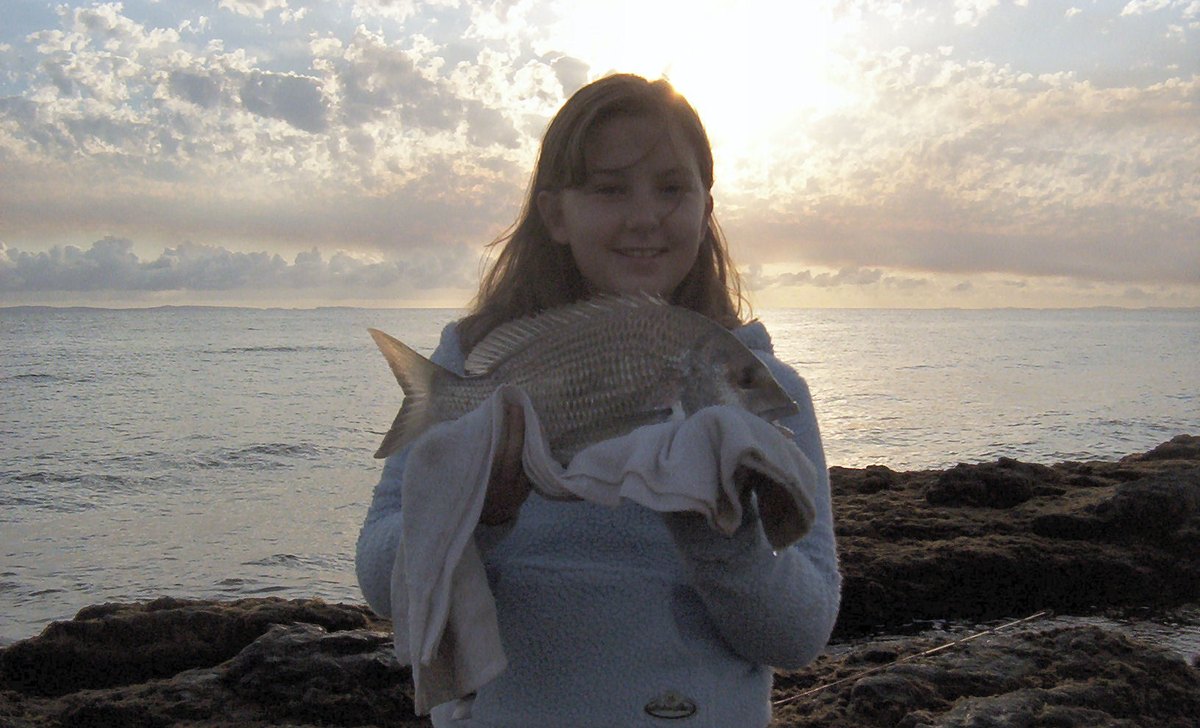
Appearance & Identification
A large, heavy octopus with long arms and a rough, warty skin covered with white spots. Colour changes from red-brown to orange and pale tones.
Habitat & Movements
They live on rocky reefs, kelp beds and around jetties and piers in southern Australia, including Victoria, Tasmania and South Australia.
Tackle Setup
- Rods A 2.1 m rod rated about 4 kg to 8 kg.
- Reels A 3000 to 4000 size spinning reel.
- Line & Leader Use 8 kg to 15 kg braid.
Best Lures & Baits
- Lures Octopus jigs and squid jigs worked slowly along the bottom.
- Live & Cut Baits Whole crabs and fish frames tied onto a jig.
How to Catch Them
- Drifting & Jigging Drift slowly over reef with a jig on the bottom.
State Legal Limits
QLD: No species-specific limit. A general possession limit of 20 applies to tidal species not listed in Queensland’s rules.
NSW: Bag limit of 10 in total for octopus. Octopus cannot be taken from ocean rock platforms in NSW or from rock platforms in Sydney Harbour.
VIC: No minimum size. Bag limit of 10 (squid, calamari, octopus and cuttlefish combined). Not allowed in Marine National Parks and Sanctuaries.
TAS: No minimum size. Bag limit of 5, possession limit of 10 (all octopus combined).
WA: Daily bag limit of 15 (squid, cuttlefish and octopus combined).
Eating & Handling
- Angler Notes Large octopus hold on to the bottom. Keep steady pressure and do not jerk the rod. Check where octopus can be taken in your state.
- Eating Qualities Tenderise the arms before cooking. They are good grilled, slow braised or barbecued.