Appearance & Identification
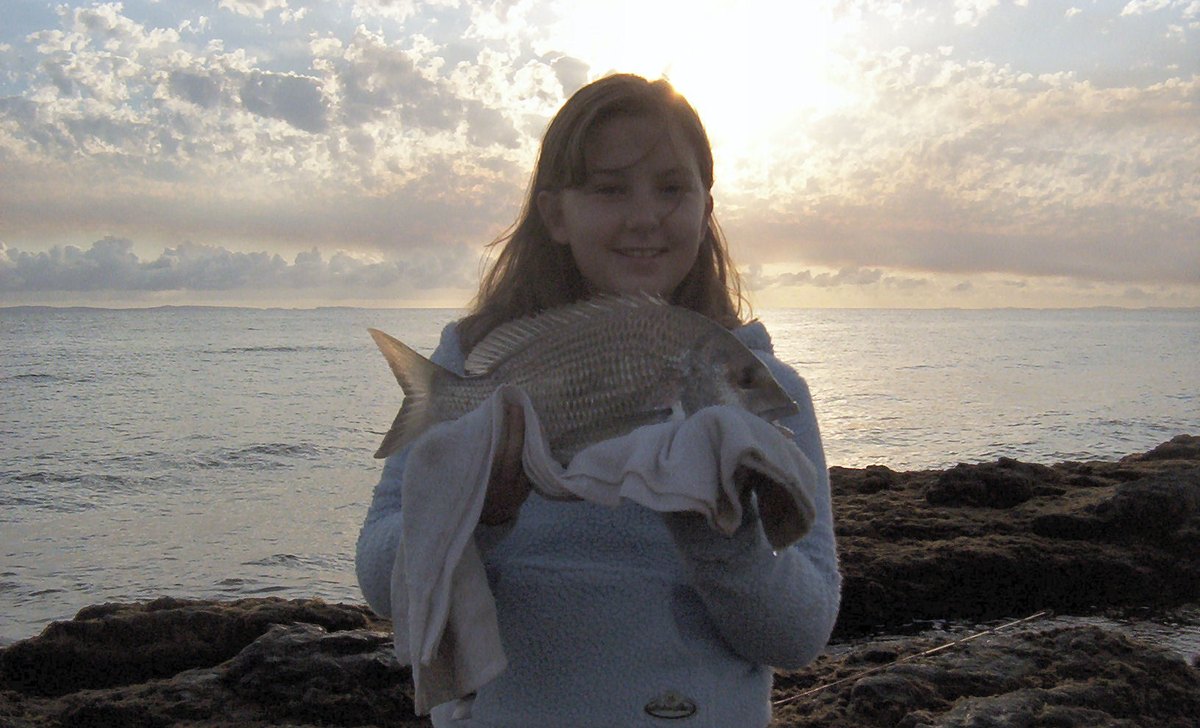
The Spangled Emperor (Lethrinus nebulosus) exhibits an elongate, compressed body shape. Its dorsal surface typically displays a greenish-brown to olive coloration, transitioning to a lighter, silvery-white ventral region. Distinctive blue spots and lines radiate from the eyes across the operculum and snout. The species name derives from the numerous small, iridescent blue to gold spots distributed across the flanks, particularly above the lateral line, giving a spangled appearance.
Fin morphology includes a continuous dorsal fin with 10 spines and 9-10 soft rays, and an anal fin with 3 spines and 8 soft rays. Pectoral fins are relatively long, and the caudal fin is forked. Adult specimens can reach a maximum length exceeding 80 centimeters and weights up to 8 kilograms, though individuals commonly encountered are smaller. Juveniles possess more muted coloration, gradually developing the characteristic spangling as they mature.
Habitat & Movements
Spangled Emperor inhabit a diverse range of marine environments across tropical and subtropical waters of Australia. They are predominantly associated with coral reefs, rocky reefs, and coastal areas featuring mixed sand and rubble bottoms. Their distribution extends from shallow intertidal zones to depths exceeding 75 meters, demonstrating adaptability to varying conditions.
Preferred habitats also include seagrass beds adjacent to reef structures, mangrove-lined estuaries, and sheltered bays. Larger specimens are frequently encountered on offshore reefs and around oceanic islands, while juveniles may occupy shallower protected embayments and tidal creeks. They are often found in areas with structural complexity providing both shelter and foraging opportunities.
Tackle Setup
- Rods 2.1-2.7 meter medium-light to medium action spin rod, rated 4-8 kg for inshore; 2.1-2.4 meter medium-heavy to heavy action rod, rated 10-20 kg for offshore.
- Reels 3000-4000 size spin reel for inshore; 6000-8000 size spin reel or 20-30 size overhead reel for offshore.
- Line & Leader Main Line: 15-30 lb braided line. Leader: 20-50 lb fluorocarbon or monofilament leader, 1-2 meters in length.
Best Lures & Baits
- Lures 1. Soft Plastics: 4-6 inch paddle tail or grub tail on 1/4 - 1/2 ounce jig heads. 2. Hard Body Lures: 80-120 mm minnow-style diving lures or stickbaits.
- Live & Cut Baits 1. Pilchards: Whole or cut. 2. Squid: Strips or whole small squid.
How to Catch Them
- Trolling N/A - Not a primary trolling target. Incidental captures may occur, but it is generally inefficient for consistent targeting.
- Drifting & Jigging Position the vessel to drift over likely habitat such as reef flats or rubble zones, presenting baits or weighted soft plastics near the bottom. Utilize a paternoster or running sinker rig. Monitor depth sounder for contour changes or fish aggregations, adjusting drift lines as required.
- Fly Fishing Utilize an 8-10 weight fly rod with an intermediate or sink-tip line in shallow reef flats or protected bays. Employ large prawn, crab, or baitfish imitations (e.g., Clouser Minnows). Present flies accurately to visible fish or feeding zones, allowing them to sink before initiating a slow, erratic retrieve. A strong fluorocarbon leader is essential.
State Legal Limits
- Queensland: Minimum size 45 cm. Possession limit of 5. Counts toward the coral reef fin fish limit of 20 in total, and the coral reef fin fish closed seasons apply in Great Barrier Reef waters (around the October and November new moons).
- New South Wales: No species-specific limit. A general daily bag limit of 20 applies to saltwater species not listed in the NSW rules.
- Victoria: No species-specific limit. A bag limit of 5 applies to species not listed in Victoria’s rules.
- WA: Minimum 400 mm. Emperors: bag West Coast 2, Abrolhos Islands 1, other bioregions 4. Boat fishing for demersal scalefish in the West Coast bioregion (Kalbarri to Augusta) is closed until Spring 2027. Land-based fishing is still allowed. You must carry a release weight when boat fishing for demersal fish anywhere in WA.
- NT: No individual limit. It counts as “all other fish”: possession limit 5, inside the 15-fish general possession limit.
Please check official state fisheries websites for real-time updates.
Eating & Handling
- Angler Notes When targeting Spangled Emperor in structured environments, employ a slightly heavier leader to mitigate abrasion from coral or rock, and be prepared to apply immediate pressure to steer the fish away from cover upon hook-up.
- Eating Qualities Spangled Emperor possess excellent table quality with firm, white, flaky flesh and a mild, sweet flavor. They are suitable for baking, grilling, pan-frying, or steaming. Basic preparation involves scaling, gutting, and filleting.