Appearance & Identification
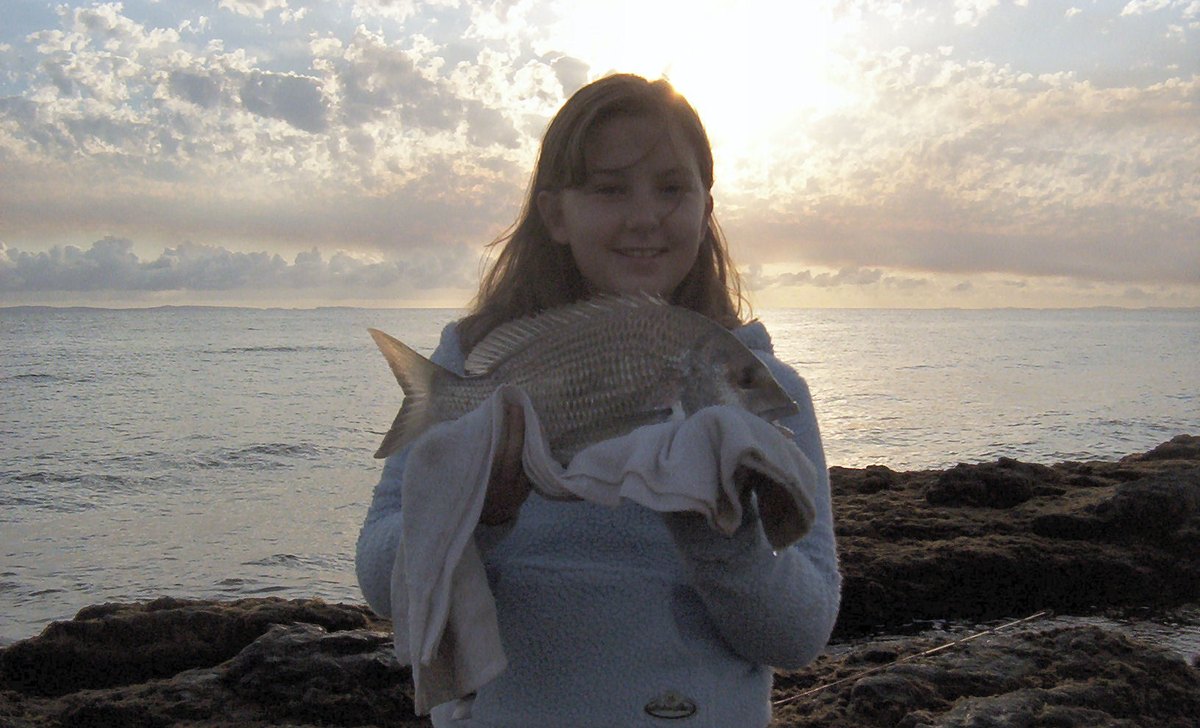
Possesses a long, slender body with a broad, highly flattened head and a large mouth lined with flat, raspy teeth. They are sand-brown to light mottled grey on the upper body with reddish-brown spots along their flanks, fading to clean white on the belly, and feature a signature dark blotch on the lower part of the tail. Commonly caught between 28cm and 35cm, they can grow up to 50cm.
Habitat & Movements
Distributed widely across the cool, temperate southern waters of Australia, from northern New South Wales, around Victoria and Tasmania, to Western Australia. They prefer sandy bays, shallow inshore flats, and deep mud channels in depths from 2m to over 80m, buried in the sediment to ambush prey.
Tackle Setup
- Rods Utilize a light-action, highly sensitive spinning rod of 2.0m to 2.2m, rated for line classes between 2kg and 4kg. A highly sensitive tip section is critical to register the light, double-tap of a flathead taking a lure.
- Reels Pair your rod with a reliable, smooth 2000 to 2500 size spinning reel. A smooth, light-starting drag is essential to prevent the flathead from pulling free when thrashing at the surface.
- Line & Leader Spool with 3kg to 5kg braided main line to guarantee zero stretch and maximum bottom sensitivity. Connect this to a 1.5m leader of 4kg to 6kg fluorocarbon to resist abrasion against sand and their small, sharp teeth.
Best Lures & Baits
- Lures Highly responsive to 2.5 to 3-inch soft plastic grubs, paddle tails, and fish-arrow plastics on 1/16oz to 1/4oz jig heads. Soft plastics in bright pink, red/white, or natural baitfish patterns worked slowly along the bottom are deadly.
- Live & Cut Baits Fresh strips of squid, pilchard tails, whitebait, or peeled prawns. Present these baits on a standard two-hook paternoster rig with a sinker heavy enough to keep your baits pinned directly to the sandy bottom.
How to Catch Them
- Trolling NOT APPLICABLE
- Drifting & Jigging Drifting is the most common and effective method to cover ground. Let your boat drift naturally with the wind across open sand bays while bouncing your lures or baits along the bottom, keeping your line as vertical as possible.
- Fly Fishing Utilize a light 6 weight fly rod with a fast-sinking intermediate line. Cast heavily weighted Clouser Minnow flies over sand patches, stripping them slowly along the bottom to simulate a small, fleeing baitfish.
State Legal Limits
SA: Flathead minimum 30 cm. Bag 10, boat 30. These are the “all other waters” limits. Spencer Gulf: same limits. Gulf St Vincent/Kangaroo Island (including the Port River estuary): minimum 30 cm, bag 5, boat 15. (zone limits from 1 May 2026).
TAS: South-eastern zone: closed (bag 0). Eastern Zone: slot 35 to 40 cm, bag 5. Northern/Western Zone: slot 35 to 40 cm, bag 10. King and Flinders Islands: minimum 35 cm, bag 10. Sand and tiger flathead combined: bag 20, possession 30. Land whole or as fillets with frames attached.
QLD: Minimum size 30 cm. Combined possession limit of 5 for all flathead except dusky flathead.
NSW: Bluespotted (sand) flathead: minimum size 33 cm. Daily bag limit of 10 for flathead other than dusky flathead combined (possession limit 20).
VIC: Minimum size 27 cm. Bag limit of 20 for all flathead except dusky flathead combined.
Eating & Handling
- Angler Notes In Tasmania, a strict slot limit (35cm to 40cm) applies in most waters to protect larger breeding females, and the south-eastern zone is completely closed to take. Always handle undersized/oversized fish with wet hands and release them immediately.
- Eating Qualities Excellent table quality. Features pristine, sweet, dry white flesh that flakes beautifully. Ideal for classic beer-battered fish and chips, crumbed, or pan-fried with lemon. In Tasmania, flathead must be landed whole or filleted with frames intact.