Appearance & Identification
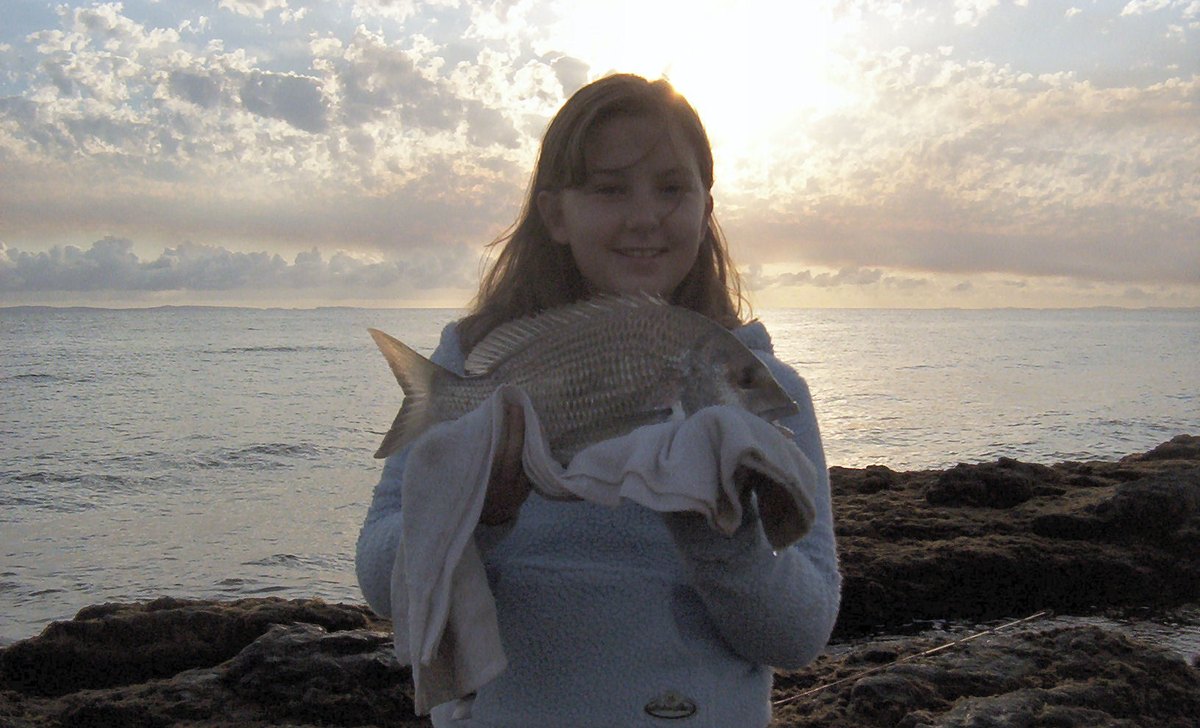
This is a deep-bodied, silvery fish with a sloping head. Smaller fish show dark bars or rows of spots along the body that fade with size. They make a grunting sound when landed, which gives them their common name.
Habitat & Movements
Barred javelin live in estuaries, river mouths, sand and mud flats and inshore waters across northern Australia, including Queensland’s east coast and the Gulf of Carpentaria. They often feed over sand and mud on the rising tide.
Tackle Setup
- Rods A 2.1 m to 2.4 m rod rated about 4 kg to 8 kg.
- Reels A 3000 to 4000 size spinning reel.
- Line & Leader Use 6 kg to 10 kg braid or mono with a 10 kg leader.
Best Lures & Baits
- Lures Small soft plastics and vibes hopped along the bottom can work, but bait is more common.
- Live & Cut Baits Prawns, yabbies, squid strips and peeled crab.
How to Catch Them
- Drifting & Jigging A slow drift across the edge of a channel or flat with bait on the bottom can find scattered fish.
State Legal Limits
QLD: East coast: minimum size 40 cm (or minimum fillet length 26 cm, skin on while on a boat), possession limit of 10. Gulf of Carpentaria: minimum size 40 cm (or 26 cm fillet), possession limit of 10 whole fish or 20 fillets.
NSW: No species-specific limit. A general daily bag limit of 20 applies to saltwater species not listed in the NSW rules.
VIC: No species-specific limit. A bag limit of 5 applies to species not listed in Victoria’s rules.
Eating & Handling
- Angler Notes In Queensland you may keep fillets of this species only if they meet the minimum fillet length and the skin stays on while you are on a boat. Check the rules before you fillet.
- Eating Qualities The flesh is white and firm. Bleed and ice the fish, then fillet. Good for frying or grilling.