Appearance & Identification
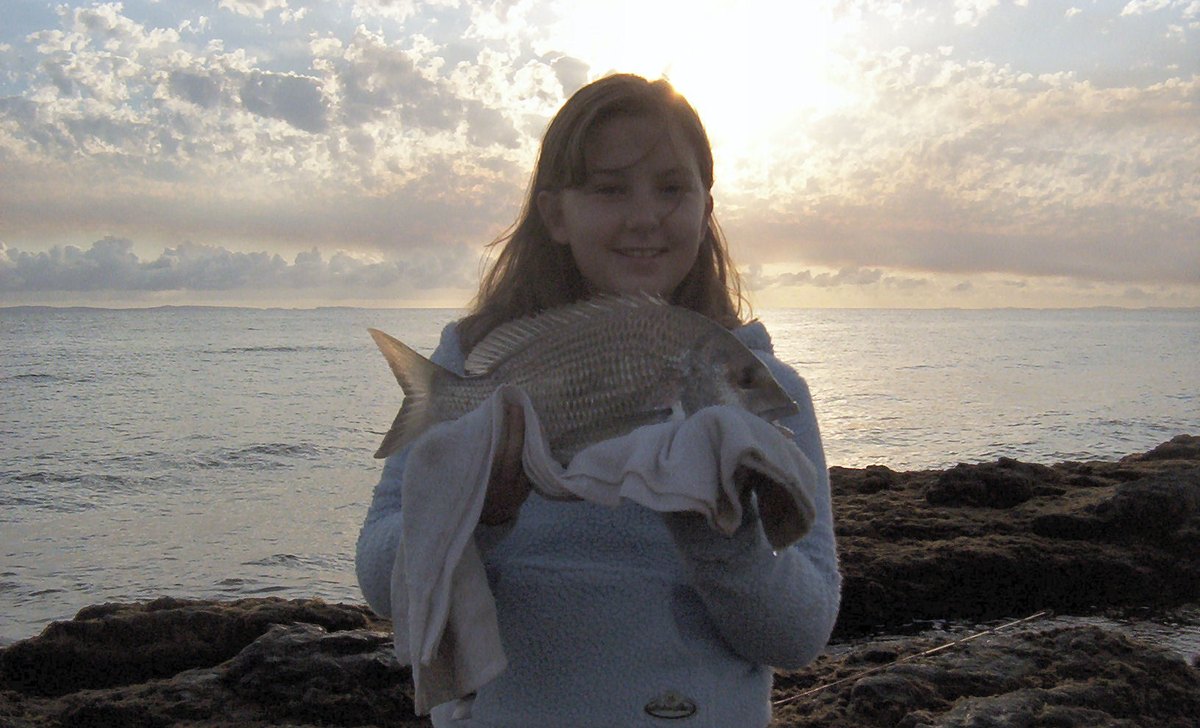
These stunning, highly robust reef predators are easily identified by their intense orange-red to pinkish-yellow body coloration covered in brilliant iridescent blue-green spots. They possess exceptionally strong, large jaws armed with multiple rows of fine, sharp canine teeth designed for firmly securing active baitfish. Their fins are rounded and incredibly strong, providing the sudden explosive bursts of speed needed to retreat instantly into deep limestone caves. Adult specimens commonly reach weights of 2kg to 5kg, though trophy fish can exceed 8kg in deep offshore waters.
Habitat & Movements
Harlequin fish are native to the cool, temperate coastal waters and offshore limestone reefs of Australia’s southern coastline from Victoria to Western Australia. They prefer deep, sheltered rocky reefs, vertical ledge walls, and massive offshore bomboras in depths ranging from ten to over eighty meters. They camouflage themselves in the deep shadows, waiting to launch explosive ambush strikes on passing school fish. During the winter, they actively patrol the deep reef flat drops, while the summer months see them retreat into deeper shipping channels.
Tackle Setup
- Rods Utilize a medium to heavy-action, fast-action 1.8m to 2.1m spinning or overhead rod rated between 8kg and 15kg. This fast-action blank is critical to provide the immediate lifting power required to steer a hooked fish away from sharp limestone. A stiff, unyielding butt section is absolutely mandatory to absorb the violent, head-shaking runs of a large fish.
- Reels Pair your rod with a highly robust 4000 to 5000 size spinning reel or a heavy-duty overhead reel. The reel must possess a minimum of 8kg of smooth, locked-up carbon fiber drag to stop these fish before they reach the structure. A high retrieve ratio is essential to quickly collect slack line and prevent the fish from wrapping your line around rocks.
- Line & Leader Utilize twenty to thirty pound braided main line to provide zero stretch and maximum sensitivity over deep reef structures. Couple this with a heavy, four-foot leader of thirty to fifty pound hard-shell fluorocarbon to withstand constant abrasion against sharp limestone. It is crucial to check your leader regularly for knicks or frays after retrieving over a rough bottom.
Best Lures & Baits
- Lures Cast 3 to 5 inch soft plastics rigged on heavy jig heads, soft vibes, or slow-pitch jigs over the deep reef edges. Retrieve your soft plastics with a slow, erratic lifting and dropping action, allowing the lure to sink naturally back to the bottom. Bouncing heavy metal jigs directly over the deep gravel beds on a vertical jig is also highly effective.
- Live & Cut Baits Fresh, whole squid, live poddy mullet, or active banana prawns are the standout natural presentations. Present these baits on a snooded double-hook rig using chemically sharpened 4/0 to 6/0 octopus hooks to ensure a secure hook-up. Fish these baits with minimal weight along the deep reef edges during the night to maximize your chances.
How to Catch Them
- Trolling NOT APPLICABLE
- Drifting & Jigging Drifting over deep, offshore gravel beds while slowly bouncing baits or jigs along the bottom is a highly productive method. Position your boat up-wind of the target reef and allow the natural drift to carry your presentations through the school. Keep your reel engaged and maintain a tight line to instantly feel the heavy, solid thud of a fish taking the bait.
- Fly Fishing NOT APPLICABLE
State Legal Limits
QLD: Not present in Queensland waters.
VIC: No species-specific limit. A bag limit of 5 applies to species not listed in Victoria’s rules.
SA: No size limit. Bag 2, boat 6. These are the “all other waters” limits. Spencer Gulf: same limits. Gulf St Vincent/Kangaroo Island (including the Port River estuary): no size limit, bag 1, boat 3. (zone limits from 1 May 2026).
WA: Rockcods group: no size limit. Bag West Coast 2, Abrolhos Islands 1, other bioregions 4. Boat fishing for demersal scalefish in the West Coast bioregion (Kalbarri to Augusta) is closed until Spring 2027. Land-based fishing is still allowed. You must carry a release weight when boat fishing for demersal fish anywhere in WA.
Eating & Handling
- Angler Notes The absolute secret to success is targeting the shallow reef flats during the peak of the incoming tide on a warm summer day. Harlequin fish move up onto the flats with the rising water to hunt for crabs, making them highly accessible to sight-casting anglers. Always verify your local state bag limits and size restrictions, as southern fisheries regulations are heavily enforced. Clean your gear thoroughly with fresh water after every session to prevent salt corrosion on your heavy drags. In WA this is a demersal scalefish: boat fishing for it in the West Coast bioregion (Kalbarri to Augusta) is closed until Spring 2027.
- Eating Qualities Harlequin fish possess exceptionally firm, sweet white flakes with a clean, delicate flavor that is universally regarded as some of the finest eating in southern Australia. The fish must be bled immediately upon capture and packed on ice to preserve its premium table quality. Fillet and skin the fish carefully, removing the pin bones, before pan-frying in butter.