Appearance & Identification
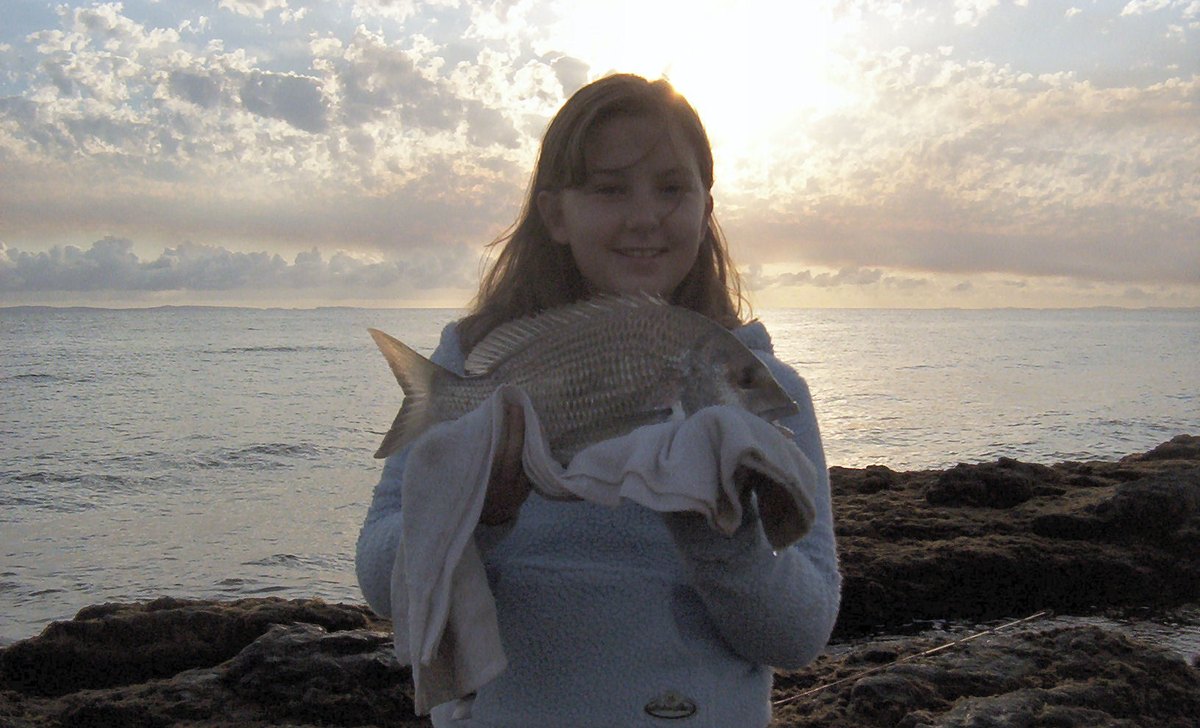
A solid wrasse with thick lips and large scales. The body is dark purple to olive-brown, often with yellow or pale spots and patches on the scales.
Habitat & Movements
They live on shallow rocky reefs and kelp in south-eastern Australia, including Victoria, Tasmania and southern New South Wales. They are most common in the first few metres of water off rocks and reef.
Tackle Setup
- Rods A 2.1 m rod rated about 3 kg to 6 kg.
- Reels A 2500 to 3000 size spinning reel.
- Line & Leader Use 6 kg to 8 kg line with an 8 kg to 10 kg leader.
Best Lures & Baits
- Lures Small soft plastics can work close to the reef.
- Live & Cut Baits Crab, prawn, squid and pipis.
How to Catch Them
- Drifting & Jigging A slow drift over shallow reef with a bait near the bottom.
State Legal Limits
QLD: Wrasse not listed separately: minimum size 30 cm, possession limit of 5 per species.
NSW: No species-specific limit. A general daily bag limit of 20 applies to saltwater species not listed in the NSW rules.
VIC: Minimum size 27 cm. Bag limit of 5 (all wrasse combined, excluding blue groper).
TAS: Minimum size 30 cm. Bag limit of 5, possession limit of 10 (wrasse).
SA: Minimum size 25 cm. Daily bag limit of 5, boat limit of 15 (wrasse other than western blue groper). This is the all other waters table; Spencer Gulf and Gulf St Vincent/Kangaroo Island have their own tables, so check PIRSA for those waters.
Eating & Handling
- Angler Notes Purple wrasse grow slowly, so release the ones you do not need. Check the wrasse rules for your state before keeping any.
- Eating Qualities The flesh is soft and white. Ice the fish straight away and use the fillets for fish cakes or curries.