
Appearance & Identification
An easily identified, deep-bodied fish with a striking reddish-brown to brick-red coloration on the upper body, fading to a lighter silvery-pink on the belly. They possess large, thick fleshy lips and extended, thickened lower pectoral fin rays used to anchor themselves against ocean surges on rocky reefs. They grow to a maximum length of approximately 65cm, though they are most commonly encountered between 30cm and 45cm. Mature males display distinctive horn-like bumps in front of their eyes.
Habitat & Movements
Native to the temperate rocky reefs and coastal washes of southeastern Australia, ranging from southern Queensland down through New South Wales to eastern Victoria. They prefer shallow, turbulent fringing reefs, kelp forests, underwater ledges, and deep gutters from the shoreline wash down to depths of 30m. They are benthic feeders, often seen resting on the seafloor or hovering in reef crevices.
Tactical Loadout
- Rods Utilize a medium-action spinning rod of 2.1m to 2.7m, rated for lines between 4kg and 8kg. Rock fishers require a longer, robust rod (2.7m to 3.2m) to clear sharp, kelp-strewn rock ledges during a retrieve.
- Reels Pair your rod with a reliable, smooth 3000 to 4000 size spinning reel. Ensure it features a strong, consistent drag system capable of locking down at 4kg to 6kg of pressure to drag fish out of reef crevices.
- Line & Leader Spool up with 6kg to 10kg braided line for maximum sensitivity to detect subtle reef bites. Splice in a long 2m leader of 8kg to 12kg hard-coat fluorocarbon to provide maximum protection against barnacle-encrusted rocks.
Best Lures & Baits
- Artificials While primarily targeted with bait, they can be taken on small soft plastics (2 to 3-inch grub or worm profiles) in natural colors. Work them slowly and delicately along the deep sand-reef margins, keeping the lure in close contact with the bottom.
- Live & Cut Baits Peels of fresh prawns, marine cunjevoi, fresh beach worms, or small strips of tough squid. Present these on a strong, small size 1 to 2 bait-holder hook, keeping the bait compact to match their relatively small, downward-facing mouths.
Field Tactics
- Trolling NOT APPLICABLE
- Drifting & Jigging Bouncing baits while slowly drifting over gravel beds or low-relief rocky structures. Use a standard paternoster rig with a sinker heavy enough to maintain vertical contact with the bottom as the boat moves through the swell.
- Fly Fishing NOT APPLICABLE
State Legal Limits
NSW: Minimum size limit is 30cm. Daily bag limit of 5 per person.
VIC: Combined daily bag limit of 5 for all morwong species, with a minimum size limit of 23cm.
QLD: No minimum size limit. General bag limit of 20 applies.
TAS/WA/SA/NT: Not present / no specific regulations apply.
Final Logistics & Table Quality
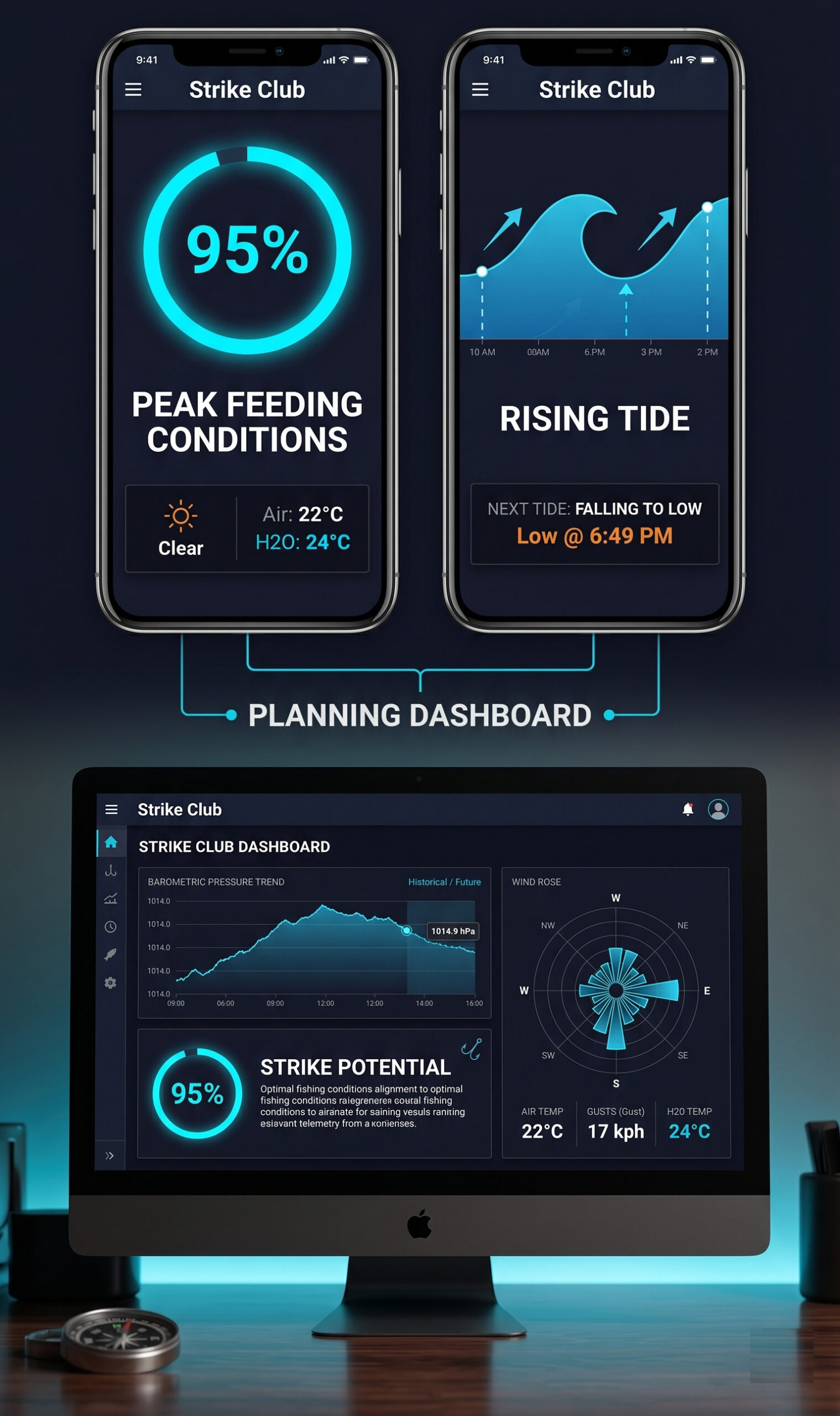
- Field Notes Red morwong are highly territorial and tend to inhabit the exact same reef zones year-round. If you locate a wash with one active fish, there are likely others nearby. Rock anglers should always fish wash zones during a rising tide for peak feeding activity, prioritizing safety first.
- Eating Qualities An underrated table fish featuring firm, sweet white flesh. They are highly versatile—suited to pan-frying, baking whole, or steaming with ginger and soy sauce. Filleting requires care as they have a strong rib cage; always skin the fillets to remove any strong grassy flavors.