Appearance & Identification
Distinctively deep-bodied with a short, rounded snout compared to other flathead species. They lack the single dark spot on the tail fin typical of dusky flathead, instead showing a yellow tail fin covered in small black spots. Their bodies feature mottled yellow, green, and brown patterning designed to mimic seagrass and kelp beds. They are commonly caught between 35cm and 45cm, reaching up to 60cm and 2kg.
Habitat & Movements
Restricted to shallow inshore marine waters, sheltered bays, extensive seagrass beds (Zostera), and shallow rocky reefs out to 20m depth. They are distributed from southern New South Wales, around Victoria and Tasmania, through South Australia to Geographe Bay in Western Australia.
Tactical Loadout
- Rods Utilize a light, fast-action spinning rod of 2.1m to 2.3m, rated for lines between 2kg and 4kg. This rod length provides excellent casting distance to cover expansive shallow sand flats and weed beds with light lures.
- Reels Pair your light rod with a smooth, high-quality 2000 to 2500 size spinning reel. A reel with a smooth drag is essential, as larger rock flathead can make sudden, powerful head-shaking runs when brought to the boat.
- Line & Leader Spool with 3kg to 5kg braided main line to guarantee zero stretch and maximum sensitivity over deep weed beds. Couple this braid with a 1.5m leader of 4kg to 6kg fluorocarbon to prevent spooking these visually acute predators.
Best Lures & Baits
- Artificials Highly responsive to 2.5 to 3.5-inch soft plastic paddle tails, worm profiles, and curl-tail grubs rigged on 1/16oz to 1/8oz jig heads. Bright pink, white, and natural olive-green patterns worked along the weed edges trigger aggressive strikes.
- Live & Cut Baits Fresh peeled prawns, live beach worms, small baitfish (such as whitebait), or fresh strips of squid. Present these on a simple running sinker or light paternoster rig using a long-shank size 1/0 to 2/0 hook to ensure clean hook-ups.
Field Tactics
- Trolling NOT APPLICABLE
- Drifting & Jigging Drifting over shallow seagrass beds and sand flats is highly productive. Position your boat up-wind of the target flat and allow the natural drift to carry your soft plastics or fresh baits through the gutters, keeping the bail arm engaged to react to strikes.
- Fly Fishing Utilize a light 6 weight fly rod with a intermediate sinking line to cast weighted Clouser Minnow flies in pink/white or green/white colors. Strip the fly slowly and erratically across sandy patches within seagrass beds, allowing it to puff sand on the retrieve.
State Legal Limits
VIC: Minimum size limit is 27cm. Daily bag limit of 20 (as part of a combined flathead limit, excluding dusky flathead).
SA: Minimum size limit is 32cm. Daily bag limit of 5 per person.
TAS: Minimum size limit is 32cm. Daily bag limit of 10. Sand flathead is strictly closed to take. Flathead must be landed whole or filleted with frames intact.
NSW: Minimum size limit is 36cm. Daily bag limit of 10 per person.
WA: Minimum size limit is 30cm. Daily bag limit of 8 per person.
Final Logistics & Table Quality
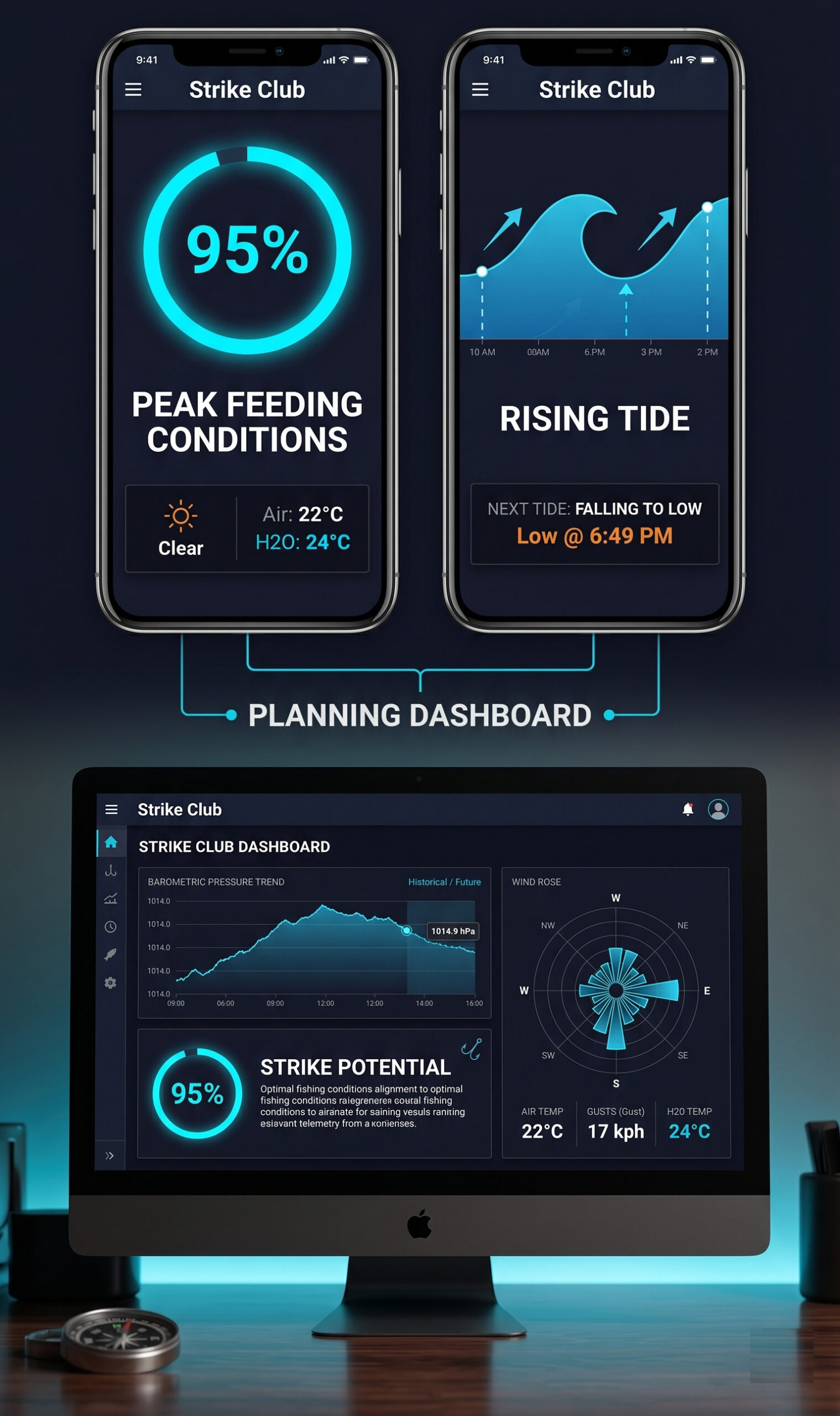
- Field Notes Focus your efforts on the bottom half of the run-out tide when flathead are forced to leave the shallowing weed flats and concentrate in the deeper sandy gutters and channels. Always check local flathead regulations, as limits vary significantly between states.
- Eating Qualities Widely regarded as the premier eating flathead. Features sweet, firm white flesh with a clean, delicate flavor. Fillets are best prepared skinless, dusted in flour or light batter, and shallow-fried in hot oil. Always handle with care to avoid their sharp gill spines.