Appearance & Identification
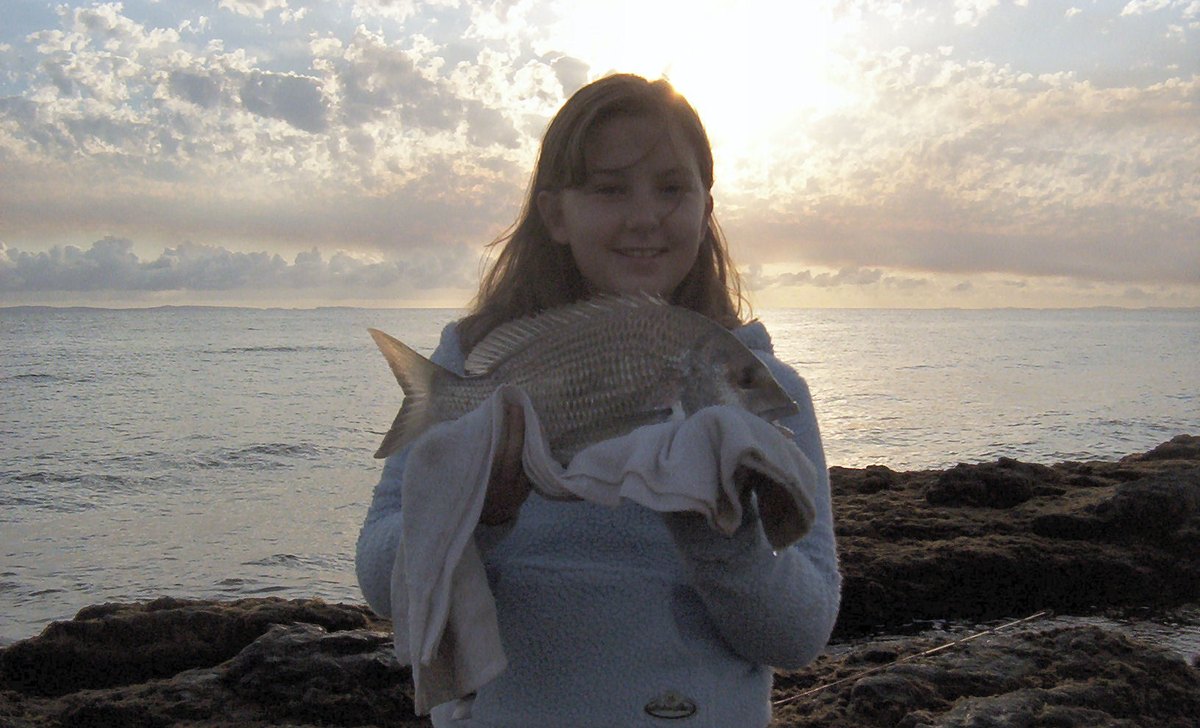
This is a red to pink fish with a large eye and a deeply forked tail with long, pointed lobes.
Habitat & Movements
Swallowtail live on reefs in southern waters of WA and SA, from fairly shallow reef out to deep water. They often school in large numbers near reef and ledges.
Tackle Setup
- Rods Use a medium 2.1 m rod rated 4 kg to 8 kg for reef fishing in moderate depths.
- Reels A 3000 to 5000 size spinning reel or a small overhead reel.
- Line & Leader Use 6 kg to 10 kg braid with a 10 kg to 15 kg leader.
Best Lures & Baits
- Lures Small jigs and soft plastics can catch them, but bait is more reliable.
- Live & Cut Baits Squid, pilchard pieces and fish strips.
How to Catch Them
- Drifting & Jigging Drift or anchor over reef where your sounder shows schools. Drop baits to the depth the fish are holding.
State Legal Limits
SA: Minimum 30 cm. Bag 10, boat 30. These are the “all other waters” limits. Spencer Gulf: same limits. Gulf St Vincent/Kangaroo Island (including the Port River estuary): minimum 30 cm, bag 5, boat 15. (zone limits from 1 May 2026).
WA: No minimum size. Bag West Coast 2, Abrolhos Islands 1, other bioregions 4. In the South Coast bioregion you may take 4 swallowtail on top of the mixed demersal bag. Boat fishing for demersal scalefish in the West Coast bioregion (Kalbarri to Augusta) is closed until Spring 2027. Land-based fishing is still allowed. You must carry a release weight when boat fishing for demersal fish anywhere in WA.
NSW: No species-specific limit. A general daily bag limit of 20 applies to saltwater species not listed in the NSW rules.
VIC: No species-specific limit. A bag limit of 5 applies to species not listed in Victoria’s rules.
Eating & Handling
- Angler Notes In WA, swallowtail count as demersal scalefish. Check the bioregion rules and the West Coast boat closure before you fish.
- Eating Qualities The flesh is white and sweet. Cook whole or as fillets.