
Appearance & Identification
This species possesses a highly compressed, diamond-shaped body that is perfectly adapted for navigating through turbulent coastal swells. Their coloration is a striking metallic silver-grey with a distinct steel-blue sheen along the upper back, occasionally showing faint vertical bars. They feature long, symmetrical dorsal and anal fins that taper toward the tail, giving them a very distinct silhouette in the water column. They are equipped with a relatively small mouth filled with tiny teeth and exceptionally large, sensitive eyes that help them locate prey in bubbly, oxygenated water.
Habitat & Movements
They are primarily found along high-energy rocky headlands, shallow reefs, deep wash zones, and dense kelp forests. They congregate in massive, fast-moving schools right within the white-water wash where waves crash directly onto the rocks. They utilize this churning foam and bubble trail as cover to ambush passing food while avoiding larger pelagic predators. While juveniles tend to shelter in protected estuaries and shallow rock pools, mature adults prefer the deep, wave-exposed coastal ledges.
Tactical Loadout
- Rods A light-weight, responsive rock or estuary spinning rod measuring between 9 and 10 feet in length is the ultimate tool for this style of fishing. Look for a blank rated between 3 and 6 kilograms with a soft, progressive action that cushions the rapid-fire lunges of a hooked fish. The extra length is vital, as it allows you to steer your line safely clear of sharp, barnacle-encrusted rock ledges on the retrieve.
- Reels Pair this rod with a high-quality 3000 to 4000 size spinning reel equipped with a highly reliable and ultra-smooth drag system. The drag must be set relatively light, as sweep have delicate mouths and will easily pull the hook if subjected to heavy, jarring resistance. A high-speed gear ratio is extremely beneficial, enabling you to quickly gather slack line and maintain tension during a chaotic fight.
- Line & Leader Spool your spinning reel with 10 to 15-pound braided mainline to ensure excellent casting distance and direct contact with your bait. Connect this to a long, 2-meter leader of premium 10 to 12-pound fluorocarbon to withstand the abrasive rocks and kelp stalks. The low visibility of fluorocarbon is essential in clear coastal waters, as these visually oriented fish will quickly spot thicker monofilament lines.
Best Lures & Baits
- Artificials Small metal spoons, micro-jigs under 10 grams, and 2-inch soft plastic grubs in pearl or motor-oil patterns are highly effective. Cast these lures directly into the foam and retrieve them with a fast, erratic hopping motion to simulate a fleeing krill. Be fully prepared for violent strikes as the lure transitions from the white-water wash back into the clearer, deeper water.
- Live & Cut Baits Fresh, soft baits are vastly superior to any artificial lure, with peeled prawns, fresh pipis, and white bread dough being the top choices. Rig these baits on a strong, fine-gauge size 6 or 8 long-shank hook to match their small, picking mouths. Suspend the rig beneath a small, highly visible bobby cork or weighted float to keep your bait hovering perfectly in the active wash zone.
Field Tactics
- Trolling Trolling is not an applicable technique for targeting this species, as they are strictly structure-bound reef fish that inhabit turbulent wash zones. Attempting to troll near their preferred rocky headlands is highly dangerous for vessels and will result in snagged gear. Instead, focus entirely on shore-based casting or anchoring near shallow offshore reefs where schools naturally aggregate.
- Drifting & Jigging Set up your boat or kayak downwind of a shallow reef or rocky wash, letting the wind drift you along the edge. Cast unweighted baits like peeled prawns into the berley trail as you drift, allowing them to sink naturally into the reef structure. Keep your bail arm open to immediately pay out line if the depth drops, ensuring your bait stays in the strike zone.
- Fly Fishing Fly fishing is highly effective using an intermediate sinking line on a 5 or 6-weight outfit with small, flashy shrimp or bread fly patterns. Cast into the foam of a rocky wash, stripping the fly with fast, short pulses to imitate drifting krill. A continuous strip retrieve is essential to prevent the fly from snagging on the kelp beds below.
State Legal Limits
NSW: No minimum size. Daily bag limit of 20.
VIC: Minimum legal size is 23cm. Daily bag limit of 10.
WA: No minimum size. General daily bag limit of 15 scale fish applies.
SA: Minimum legal size is 24cm. Daily bag limit of 20.
TAS: No minimum size. Daily bag limit of 10.
QLD: Minimum size is not applicable as they do not occur naturally in northern waters.
NT: Minimum size is not applicable as they do not occur naturally in northern waters.
Final Logistics & Table Quality
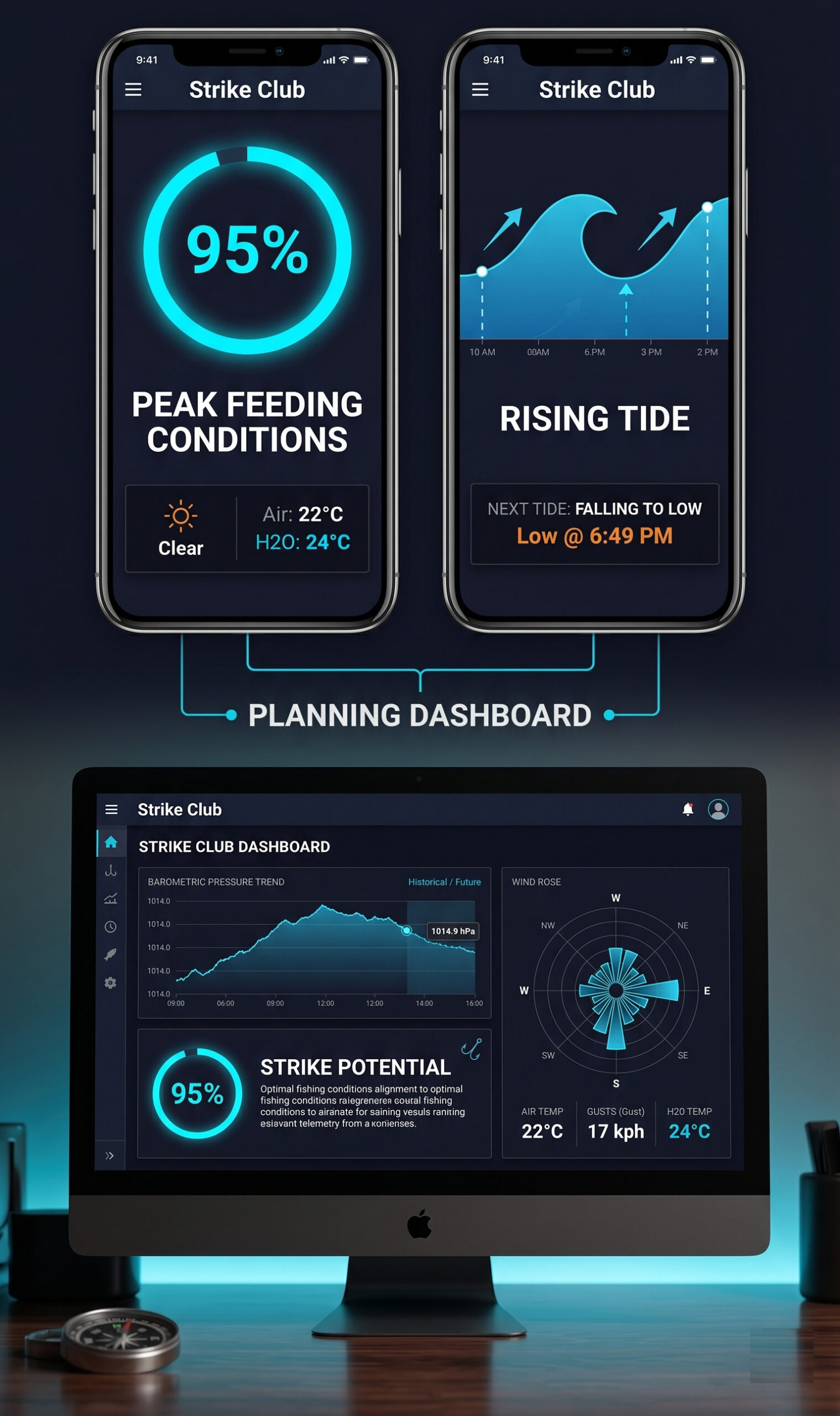
- Field Notes Sweep are incredibly visual feeders that school in huge numbers, so establishing a fine, continuous berley trail of wet bread and mashed pilchards is the key to holding them near your position. Fish the rising tide when the swell is pushing hard against the rock face, as this creates the highly oxygenated wash zones they prefer to hunt in. Always exercise extreme caution when fishing rock ledges, wearing spiked boots and a life jacket at all times, as rogue waves are a constant hazard. If the fish are biting cautiously, downsize your hook size to a tiny size 10 and use a very light fluorocarbon leader to trick these surprisingly clever fighters.
- Eating Qualities Sweep are a highly underrated table fish, offering sweet, moist, white flesh with a delicate flavor. Bleed the fish immediately upon capture to maintain the meat's clean flavor, and place them straight onto a saltwater ice slurry. They are best cooked fresh, either filleted and pan-fried in butter, or baked whole with fresh herbs and lemon.