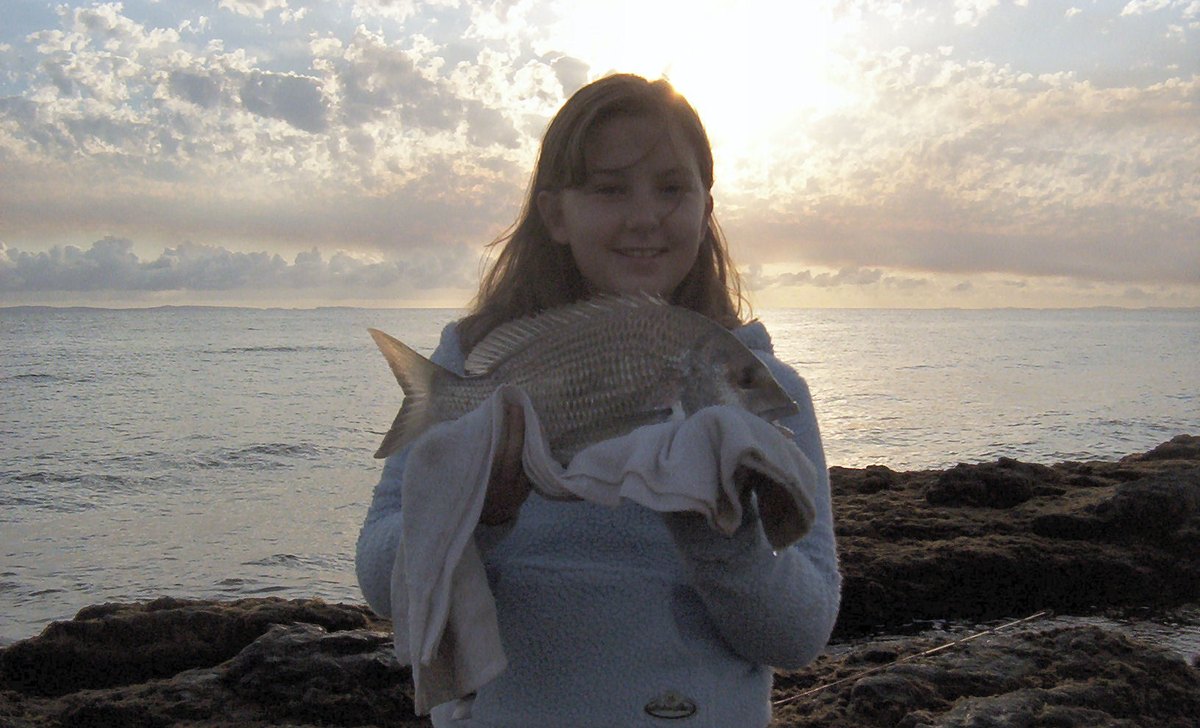
Appearance & Identification
A slim, silver mullet with a greenish back and a bright yellow eye. The mouth is small. They are slimmer than sea mullet.
Habitat & Movements
They live in estuaries, bays, harbours and along beaches across southern Australia, from New South Wales around Victoria and Tasmania to South Australia and Western Australia. Schools often sit around jetties, weed beds and river mouths.
Tackle Setup
- Rods A light 1.8 m to 2.4 m rod rated about 2 kg to 4 kg.
- Reels A 1000 to 2500 size spinning reel.
- Line & Leader Use 2 kg to 4 kg line with a light leader.
Best Lures & Baits
- Lures Lures are rarely used. Very small flies can work.
- Live & Cut Baits Bread, dough, small pieces of prawn, maggots and worms. Berley helps hold a school.
How to Catch Them
- Drifting & Jigging A slow drift with a light bait near the surface or mid-water can work in estuaries.
- Fly Fishing Small wet flies or bread flies fished in a berley trail can catch them.
State Legal Limits
QLD: Mullet other than sea, diamondscale and freshwater mullet: no size limit, possession limit of 50.
NSW: No size limit for this species. Counts toward the bag of 20 in total for mullet. Mullet under 15 cm (poddy mullet) can only be kept for live bait.
VIC: No minimum size. Bag limit of 40 (all mullet combined).
TAS: Minimum size 25 cm. Bag limit of 15, possession limit of 30 (all mullet combined).
SA: Minimum size 21 cm. Daily bag limit of 60, boat limit of 180 (mullet). This is the all other waters table; Spencer Gulf and Gulf St Vincent/Kangaroo Island have their own tables, so check PIRSA for those waters.
WA: Daily bag limit of 30 (mullet, applies to each species). No size limit.
Eating & Handling
- Angler Notes Use berley and small hooks. Check your state mullet rules, as several states group all mullet under one limit.
- Eating Qualities The flesh is oily and full of flavour. Bleed and ice them quickly. They are good fried, smoked or used fresh as bait.