
Appearance & Identification
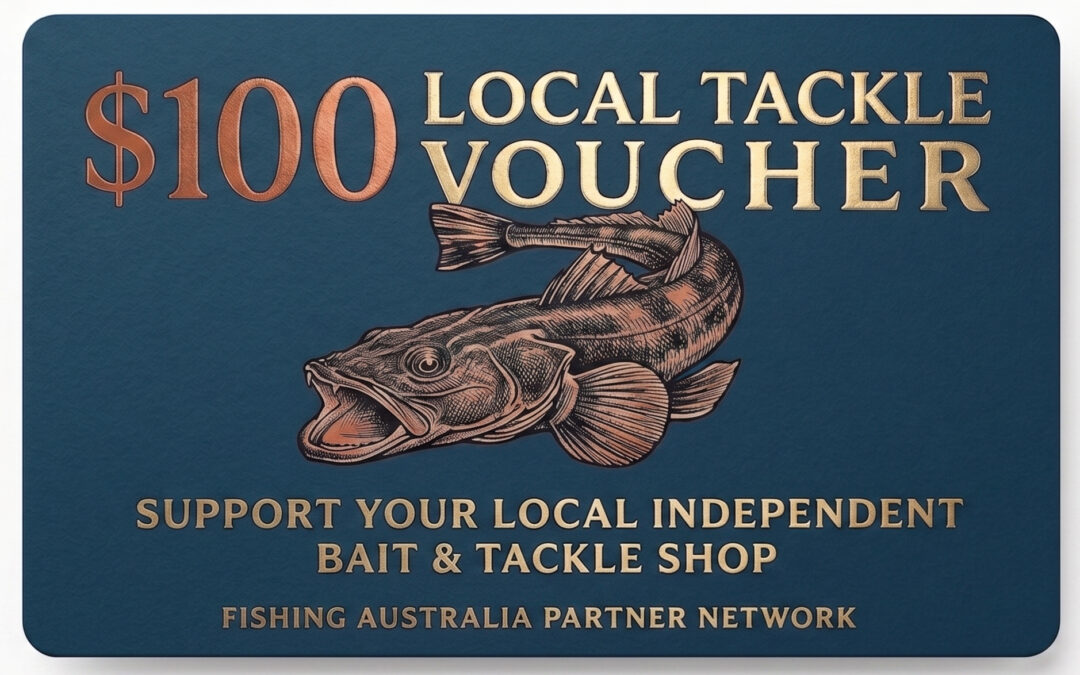
This distinctive species features a radically flattened, wedge-shaped head and a long, tapering body designed for resting completely flush against the seabed. Their skin is incredibly tough and scaleless, adorned with a mottled camouflage pattern of muddy browns, olive greens, and sandy yellows that perfectly mimics the estuary floor. They possess two highly dangerous, sharp preopercular spines on either side of their gill covers that require extreme caution when handling. The most definitive identifying feature is the dark, distinct black spot located on the upper margin of their rounded tail fin.
Habitat & Movements
Dusky flathead dominate the shallow, sandy drop-offs, mudflats, and ribbon weed margins of coastal estuaries and coastal lakes. They utilize tidal movements to their absolute advantage, pushing up onto shallow, sun-warmed sand flats during the incoming tide to hunt small baitfish and prawns. As the tide recedes, they retreat to the edges of deeper channels and structural drop-offs, burying themselves in the sand to ambush prey swept off the flats. They are heavily structure-oriented, rarely found far from a weed bed, rock wall, or a subtle depression in the sand.
Tactical Loadout
- Rods A lightweight, fast-action spinning rod measuring between 7 feet and 7 feet 3 inches is the perfect all-around weapon for estuary flathead. Look for a high-modulus graphite blank rated between 2 and 5 kilograms to provide a sensitive tip for detecting subtle lure taps. The rod must maintain a sturdy mid-section to drive the hook through the flathead's tough, bony jaw structure during the violent initial strike.
- Reels Pair the rod with a high-quality 2500 to 3000 size spinning reel that balances perfectly to reduce fatigue during long, repetitive casting sessions. The reel should feature a smooth drag system set to around 2 kilograms of pressure, allowing the fish to take short bursts of line when they inevitably make a violent head-shaking run at the boat. A standard gear ratio is ideal for maintaining a slow, methodical retrieve across the bottom contours.
- Line & Leader Spool the reel with a premium 8 to 10-pound braided mainline to ensure maximum casting distance and direct sensory contact with your lure on the bottom. Connecting a 1.5-meter leader of 12 to 16-pound tough fluorocarbon is absolutely mandatory to withstand the intense abrasive action of their raspy, file-like teeth. If you are specifically targeting trophy-sized female flathead in deep water, upgrading the leader to 20-pound fluorocarbon is highly recommended.
Best Lures & Baits
- Artificials Soft plastic lures in the 3 to 5-inch range are devastatingly effective, particularly paddle tails, curl tails, and prawn imitations in motor-oil or pink colorations. Rig these on a 1/8 to 1/4-ounce jig head, ensuring the weight is just heavy enough to maintain constant, ticking contact with the bottom. Sinking vibration baits and shallow-running hardbody minnows are also highly productive when retrieved with erratic pauses over the sand flats.
- Live & Cut Baits Live baits are irresistible to large, wary flathead, with live poddy mullet, herring, and pink nippers being the absolute premier choices in the estuary. Rig these baits on a running sinker rig using a sharp 2/0 to 4/0 circle or wide-gape hook, keeping the bait pinned close to the bottom where the fish reside. Freshly cut strips of mullet or whole white pilchards slowly drifted along the channel edges will also secure highly consistent catches.
Field Tactics
- Trolling Trolling deep-diving hardbody lures is an exceptionally effective way to cover vast expanses of estuary drop-offs and channel edges to locate active fish. Troll at a very slow walking pace of 2 to 3 knots, using lures that will occasionally dig their bibs into the sand to create a visual puff of mud. This erratic, bottom-bumping action perfectly simulates a fleeing baitfish or wounded prawn, triggering aggressive reactionary strikes from resting flathead.
- Drifting & Jigging Drift fishing is the ultimate tactic for effectively mapping out productive ground in a large estuary system or coastal lake. Position your boat upwind or up-current of a sand flat drop-off and drift slowly across it, dragging lightly weighted live baits or hopping soft plastics behind the vessel. Once a fish is landed, quietly motor back up and repeat the exact same drift line, as flathead naturally aggregate in loose hunting packs.
- Fly Fishing Fly fishing for flathead on the shallow flats is highly visual and addictive, utilizing a 6 to 8-weight outfit with a floating or intermediate sinking line. Cast heavily weighted flies like Clouser Minnows or prawn patterns, allowing them to hit the sand before executing sharp, short strips. The heavy lead eyes of the fly ensure it maintains a bottom-hugging, jigging action that perfectly mimics a startled shrimp attempting to flee.
State Legal Limits
QLD: Slot limit of 40cm to 75cm. Daily limit of 5.
NSW: Slot limit of 36cm to 70cm. Daily limit of 5.
VIC: Minimum size 27cm. Daily limit of 5.
Final Logistics & Table Quality
- Field Notes Focus your heaviest fishing efforts during the last two hours of the run-out tide, as falling water concentrates the baitfish into the deeper channels where flathead lie in wait. Always use a large landing net, as big flathead are notorious for violently thrashing on the surface and throwing the lure right beside the boat. Maintain constant contact with the bottom; if your lure or bait is floating mid-water, you are entirely out of the strike zone. Look for the distinct, flat depressions or 'lies' left in the sand at low tide, as this confirms flathead are actively using that specific bank during the high water.
- Eating Qualities Dusky flathead are widely regarded as one of the finest eating fish in the estuary, producing sweet, flaky, and bone-free white fillets. To ensure the best quality meat, dispatch the fish immediately using the iki jime method straight through the brain, bleed it thoroughly, and store it on ice. The firm fillets are incredibly versatile, performing exceptionally well whether beer-battered, crumbed, or pan-fried lightly in garlic butter and lemon.