
Appearance & Identification
These immense, heavy-set freshwater fish are easily identified by their cream to yellowish-green body coloration covered in deep, mottled green-brown spots and distinct vertical bands. They possess a massive, cavernous mouth armed with multiple rows of fine, sharp teeth designed for firmly securing crabs, frogs, and native fish. Their fins are rounded and incredibly strong, providing the sudden explosive bursts of speed needed to retreat instantly into deep river snags. Adult specimens can reach gargantuan proportions, commonly growing to over 15kg and exceeding 40kg in deep inland reservoirs.
Habitat & Movements
The Murray cod is native to the slow-flowing, deep freshwater river systems and large impoundments of the Murray-Darling basin. They prefer deep, quiet river pools that contain plenty of soft, muddy silt beds and submerged timber logs. They are highly territorial homebodies, seeking refuge inside hollow logs, beneath undercut clay banks, and within deep, shaded river pools during daylight hours. During the spring spawning season, they construct massive circular nests from gravel and pebbles on the riverbed to protect their eggs.
Tactical Loadout
- Rods Utilize a heavy-duty, fast-action 1.8m to 2.1m spinning or overhead rod rated between 15kg and 24kg. This fast-action blank is critical to provide the immediate lifting power required to steer a hooked fish away from sharp timber. A stiff, unyielding butt section is absolutely mandatory to absorb the violent, head-shaking runs of a large cod.
- Reels Pair your rod with a highly robust 4000 to 5000 size spinning reel or a heavy-duty baitcasting reel. The reel must possess a minimum of 8kg of smooth carbon fiber drag to stop these fish before they reach the structure. A high retrieve ratio of six to one is essential to quickly collect slack line and prevent the fish from wrapping your line.
- Line & Leader Utilize 15kg to 24kg braided main line to guarantee zero stretch and maximum sensitivity when fishing muddy channels. Couple this with a heavy, four-foot leader of 20kg to 30kg hard-shell fluorocarbon to withstand constant abrasion against sharp rocks and timber. It is crucial to check your leader regularly for knicks or frays after landing a fish.
Best Lures & Baits
- Artificials Cast large surface paddlers, wakebaits, heavy spinnerbaits, or large soft plastics over the deep timber logs. Retrieve your surface lures with a slow, crawling retrieve, allowing the lure to splash heavily on the surface. Bouncing heavy spinnerbaits directly into the rock crevices on a slow wind is also highly effective.
- Live & Cut Baits Fresh, live bardi grubs, active freshwater yabbies, or large scrubworms are the standout natural presentations. Present these baits on a running sinker rig using a chemically sharpened size 4/0 to 6/0 bait holder hook to ensure a secure hook-up. Fish these baits with minimal weight along the deep river bends during the night to maximize your chances.
Field Tactics
- Trolling Slow-trolling deep-diving hardbodies along steep river rock walls or submerged timber lines is a highly effective method. Position your vessel just off the structure and troll at a slow crawl of one to two knots to allow the lure to dive. Ensure your drag is locked down tight to prevent the fish from reaching the rocks.
- Drifting & Jigging Drifting quietly down the river pools in a kayak or canoe while casting into the timber is a highly productive method. Position your craft up-stream of the target pool and allow the natural flow to carry you silently through the reach. Keep your reel engaged and maintain a tight line to instantly feel the heavy, solid strike of a cod.
- Fly Fishing Utilize a heavy 9 to 10 weight fly rod equipped with a weight-forward floating line to target cod feeding near the surface. Cast large, highly buoyant foam insect or wet flies on a 15kg leader, stripping them slowly with long pauses. The retrieve must be slow and erratic to trigger a competitive strike.
State Legal Limits
QLD: Minimum size limit is sixty centimeters, maximum size limit is one hundred and ten centimeters. Daily bag limit of two per person.
NSW: Minimum size limit is fifty-five centimeters, maximum size limit is seventy-five centimeters. Daily bag limit of two per person.
VIC: Minimum size limit is fifty-five centimeters, maximum size limit is seventy-five centimeters. Daily bag limit of two per person.
WA: Not present in Western Australian waters.
SA: Minimum size limit is fifty-five centimeters, maximum size limit is seventy-five centimeters. Daily bag limit of one per person.
NT: Not present in Northern Territory waters.
TAS: Not present in Tasmanian waters.
Final Logistics & Table Quality
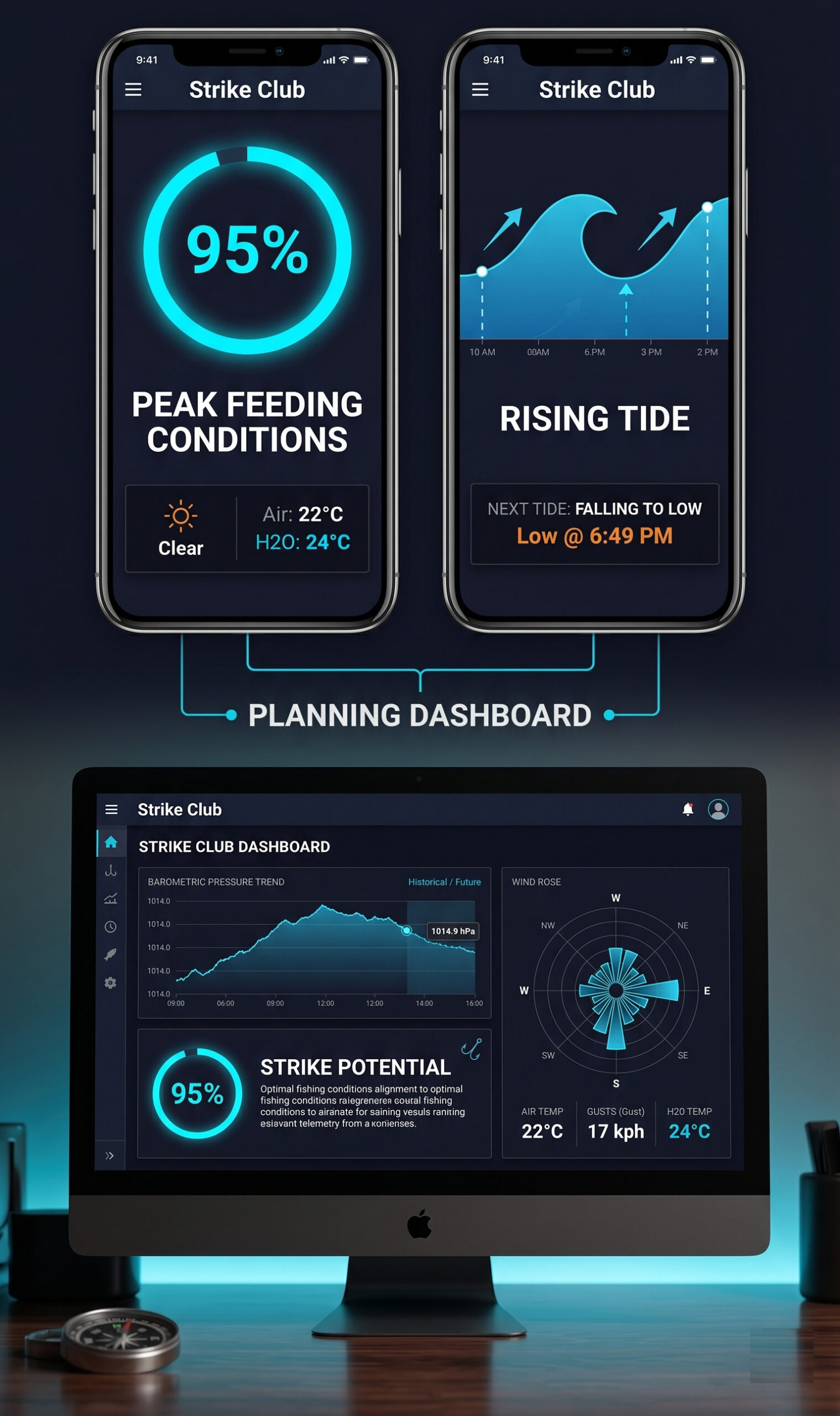
- Field Notes The absolute secret to success is targeting the shallow river pools during the peak of a warm, humid summer afternoon just before a storm. Cod are highly sensitive to barometric pressure and feed aggressively under these low-light, pre-storm conditions. Always check your local state laws closely, as strict seasonal closures apply during the winter spawning migration. Clean your gear thoroughly with fresh water after every session to prevent mud build-up on your light drags.
- Eating Qualities Murray cod possess exceptionally firm, sweet white flakes with a clean, delicate flavor that is universally regarded as premier table fare. However, due to their high sporting value and slow growth rate, catch-and-release is strongly encouraged by freshwater anglers. Fillet and skin the fish carefully, removing the pin bones, before pan-frying in butter.